


Welded Wire Mesh Rolls for Industrial and Commercial Applications: Uses, Specifications and Selection Guide
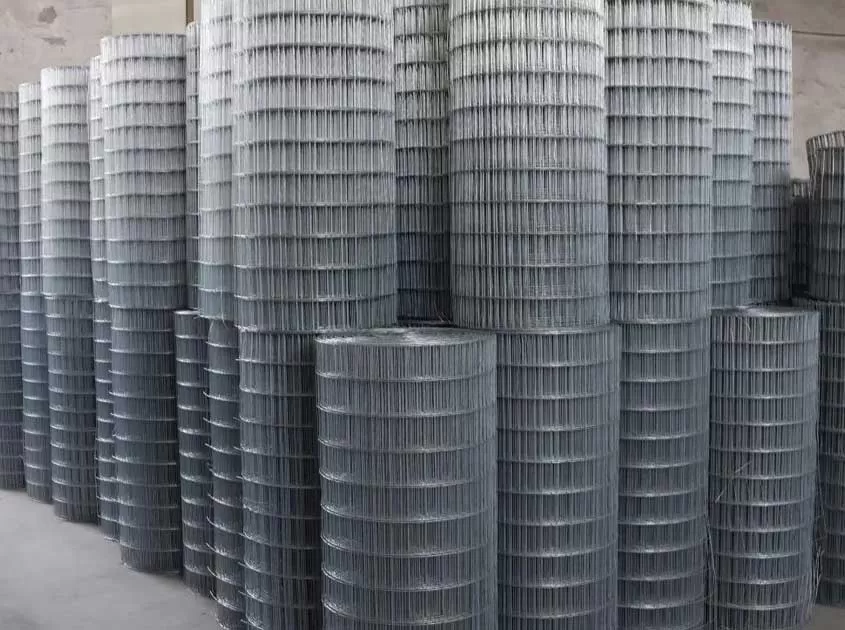
Welded wire mesh rolls are widely used in industrial facilities, commercial buildings, warehouses, workshops, and general-purpose infrastructure projects. Their regular grid structure, consistent welded intersections, and flexible roll format make them a practical material for many applications requiring separation, enclosure, screening, or protection.
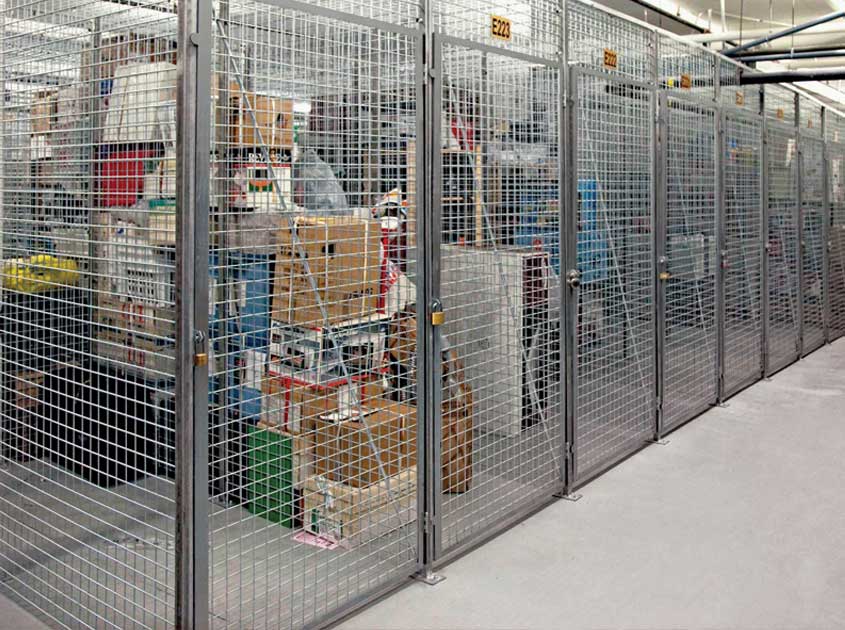
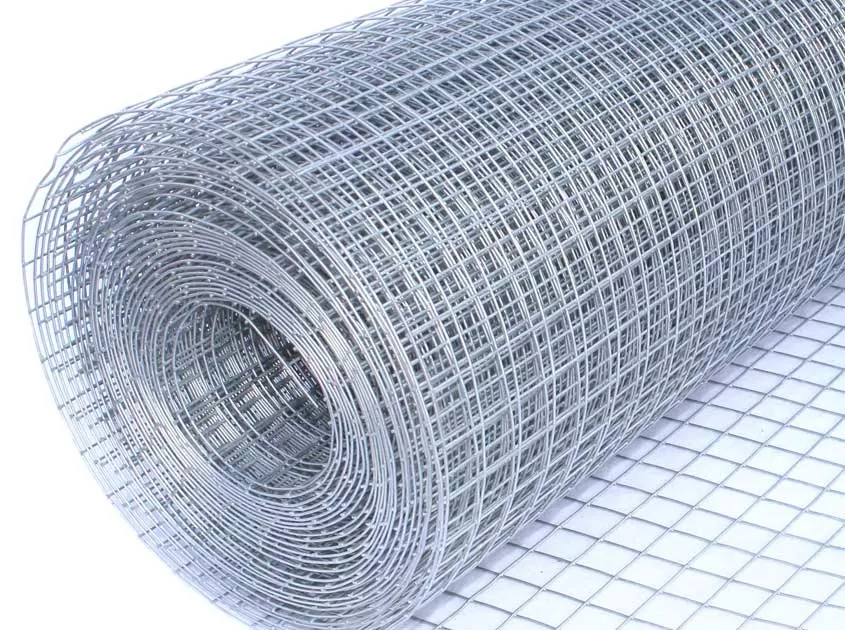
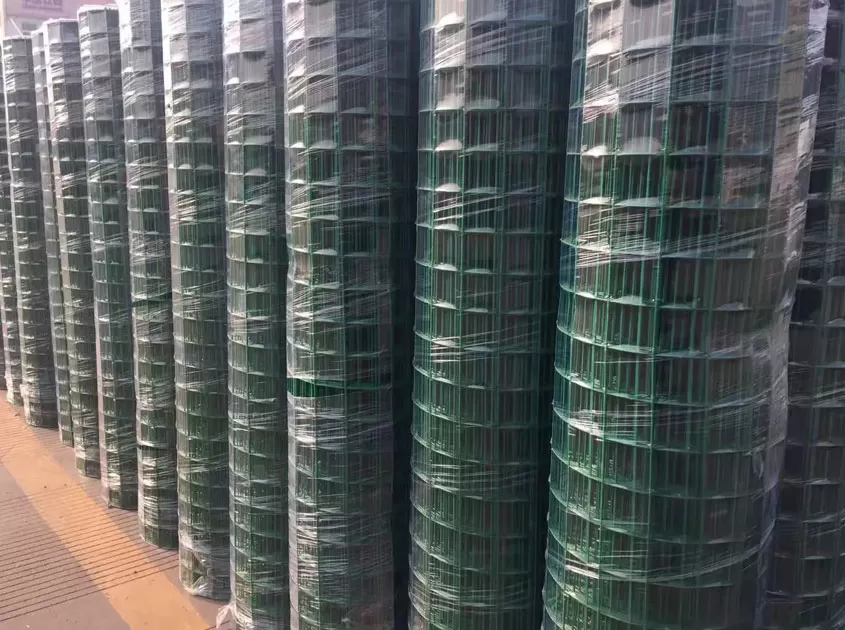
Unlike rigid welded wire mesh panels, welded wire mesh rolls can be supplied in continuous lengths and cut to suit different installation requirements. This makes them particularly useful for projects involving extended boundaries, irregular layouts, and multiple installation sections.
However, not every welded wire mesh roll is suitable for every industrial or commercial environment. Wire diameter, mesh opening, material, surface treatment, and supporting structures all influence the final application.
This guide explores how welded wire mesh rolls are used in industrial and commercial settings and explains how buyers can select the right specifications for their projects.
1. What Makes Welded Wire Mesh Rolls Suitable for Industrial Use?
Welded wire mesh is manufactured by arranging longitudinal and transverse wires in a regular grid and joining their intersections through resistance welding.
The resulting structure provides several practical characteristics:
Consistent mesh geometry: Regular openings make it easier to plan cutting, installation, and integration with other components.
Welded intersections: Properly manufactured welds help maintain the grid structure during normal handling and use.
Flexible supply format: Rolls are convenient for projects requiring continuous mesh lengths or customized cutting.
Material versatility: Products can be manufactured using different wire diameters, mesh openings, and surface treatments.
Adaptable installation: Mesh rolls can be fixed to suitable frames, posts, supports, or other structures depending on the application.
These characteristics make welded wire mesh a useful material for industrial and commercial projects. Its suitability, however, depends on the required load, exposure conditions, safety function, and installation design.
2. Industrial Applications of Welded Wire Mesh Rolls
Industrial environments often require practical solutions for separating work areas, organizing equipment, protecting selected spaces, and creating physical boundaries.
Welded wire mesh rolls can support these requirements in several ways.
2.1 Warehouse and Storage Area Separation
Warehouses frequently need to divide large spaces into smaller functional areas.
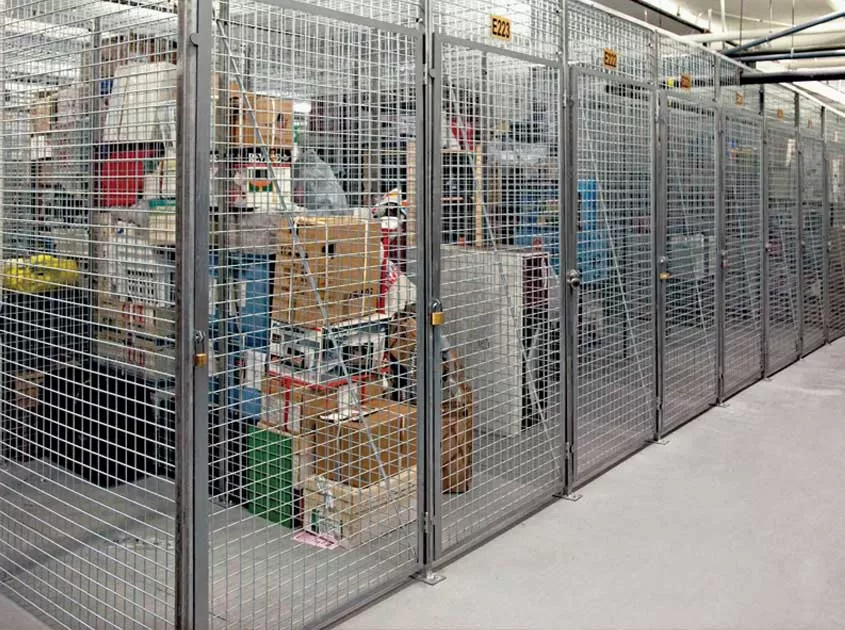
Welded wire mesh can be installed as part of partition systems around storage sections, material handling areas, and selected restricted-access zones.
Its open grid structure allows visibility through the partition, making it easier for personnel to observe surrounding areas.
Depending on the design, mesh can be attached to steel frames or other suitable support structures.
For warehouse applications, buyers should consider:
Required partition height and length.
Mesh opening size.
Wire diameter.
Frame strength and post spacing.
Access gates and connection details.
Impact and operational safety requirements.
For high-security storage or machinery protection, the complete enclosure should be designed to meet the required security and safety criteria.
2.2 Machinery and Equipment Enclosures
Industrial machinery often operates in areas where access needs to be controlled.
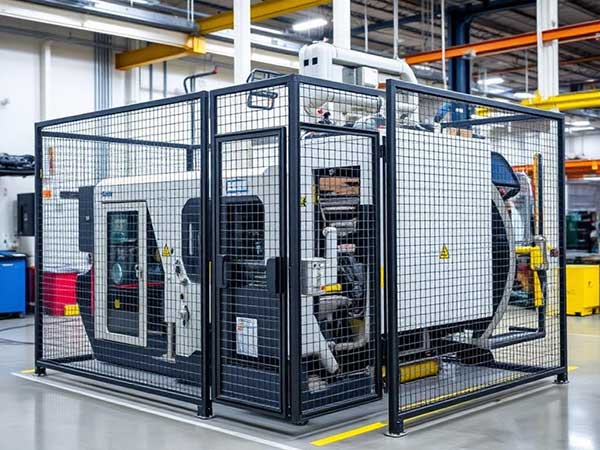
Welded wire mesh may be incorporated into machine enclosures, equipment partitions, and protective barriers to create visible separation between working areas.
The mesh allows operators to maintain visual contact with equipment while restricting access to designated spaces.
However, machinery guarding is a safety-critical application. Ordinary welded wire mesh rolls should not automatically be treated as compliant machine guards.
The finished guarding system must be designed and assessed according to applicable machinery safety requirements, including opening size, access prevention, fixing strength, moving-part hazards, and required safety distances.
2.3 Workshop and Production Area Dividers
Manufacturing facilities often separate different operations to improve workplace organization.
Welded wire mesh can be used in workshop partitions, tool storage enclosures, production-area boundaries, and material handling zones.
Its open construction can help maintain visibility and airflow compared with completely solid partitions.
For these applications, mesh specifications should reflect the actual working environment.
For example, a lightweight divider used to organize storage areas may have different requirements from a partition exposed to regular material handling or accidental impacts.
2.4 Industrial Equipment and Material Storage Cages
Welded wire mesh is also used in the fabrication of storage cages and equipment enclosures.
It can be cut and attached to a frame to create compartments for tools, components, spare parts, or other materials.
The mesh opening should be selected according to the size of the stored items and the intended access restrictions.
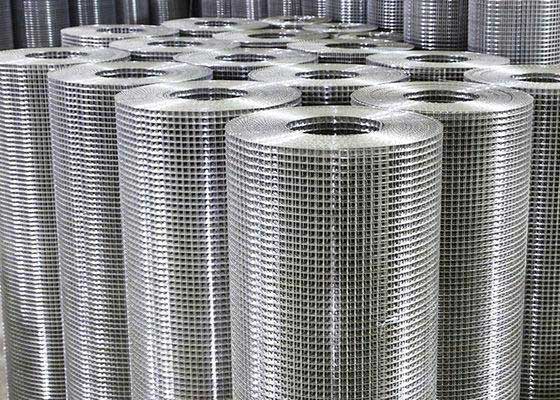
The frame, hinges, locks, and fixing points are equally important. A strong mesh attached to an unsuitable frame may still result in an unreliable enclosure.
3. Commercial Applications of Welded Wire Mesh Rolls
Welded wire mesh is not limited to factories and industrial facilities. It can also be used in commercial properties where visibility, separation, and practical installation are important.
3.1 Retail Storage and Back-of-House Areas
Retail facilities often need to separate public areas from storage rooms, stock handling spaces, and staff-only zones.
Welded wire mesh partitions can help create functional boundaries while allowing visibility between spaces.
Depending on the interior design and operating requirements, the mesh can be combined with steel frames, doors, and other architectural components.
For customer-facing spaces, surface finish and appearance may be as important as mechanical requirements.
3.2 Commercial Building Service Areas
Commercial buildings contain electrical rooms, maintenance spaces, utility areas, and equipment zones that may require physical separation.
Welded wire mesh can be considered for selected non-structural partitions and enclosures where an open grid is appropriate.
The selection should take into account environmental exposure, maintenance access, fire and building requirements, and the function of the enclosed equipment.
It should not be assumed that ordinary welded mesh provides fire separation, electrical protection, or certified security performance.
3.3 Garden Centers and Commercial Landscaping
Welded wire mesh rolls can also be used in garden centers, plant nurseries, and commercial landscaping projects.
Typical applications include plant support structures, simple growing-area divisions, garden boundaries, and protective enclosures.
Galvanized and PVC-coated options may be considered depending on moisture exposure, appearance, and maintenance requirements.
The appropriate mesh opening and wire diameter depend on the plants being supported, the span between supports, and the expected environmental conditions.
4. Choosing the Right Welded Wire Mesh Specifications
The performance and cost of welded wire mesh depend heavily on its technical specifications.
Industrial and commercial buyers should pay particular attention to five factors.
4.1 Wire Diameter
Wire diameter affects material consumption, mesh weight, rigidity, and resistance to deformation.
Thicker wires generally produce a heavier and more substantial mesh structure, while thinner wires may be appropriate for lightweight partitions and general-purpose applications.
The correct diameter depends on the intended function and support arrangement.
For example, a mesh used in a lightweight storage divider does not necessarily require the same wire diameter as one incorporated into a heavy-duty equipment enclosure.
4.2 Mesh Opening Size
Mesh opening determines the clear space between adjacent wires.
It affects visibility, airflow, the ability to retain or separate objects, and the overall appearance of the mesh.
Smaller openings may be required when containing smaller components or restricting access through a partition.
Larger openings may be suitable for applications where visibility and airflow are priorities.
Buyers should confirm whether dimensions refer to clear openings or wire center-to-center spacing.
4.3 Surface Treatment
The surface treatment should match the intended installation environment.
Common options include:
Galvanized Welded Wire Mesh
Galvanized mesh provides a zinc coating to help protect the underlying steel against corrosion. It is commonly considered for warehouses, workshops, general industrial use, and outdoor applications.
PVC-Coated Welded Wire Mesh
PVC-coated mesh has an additional polymer coating over the underlying wire. It offers different appearance options and an additional protective layer, depending on coating quality and exposure conditions.
Stainless Steel Welded Wire Mesh
Stainless steel may be considered where corrosion resistance, hygiene requirements, or specific environmental conditions justify its use.
The appropriate stainless steel grade depends on the actual chemicals, moisture, temperature, and cleaning conditions involved.
4.4 Roll Width and Length
Roll dimensions influence material requirements, installation planning, handling, and transportation.
Before ordering, buyers should determine:
Required roll width.
Required roll length.
Number of rolls.
Cutting dimensions.
Installation overlap or connection requirements.
Packaging and storage arrangements.
Standard dimensions may be more economical and easier to schedule, while customized roll sizes can help reduce cutting waste in specific projects.
4.5 Weld Quality and Dimensional Consistency
For welded wire mesh, the quality of the welded intersections is important.
Poorly controlled welding can result in inconsistent joints, deformation, or weakened intersections.
Buyers should also examine mesh opening consistency, wire diameter, surface condition, and overall flatness.
For projects involving multiple rolls, consistency between production batches can be especially important.
5. Welded Wire Mesh Rolls vs. Welded Wire Mesh Panels
Although both products use welded grid structures, rolls and panels serve different purchasing and installation needs.
Comparison
Welded Wire Mesh Rolls
Welded Wire Mesh Panels
Supply format Continuous rolled material Individual rigid sheets
Flexibility Easier to cut and adapt to layouts More rigid and dimensionally stable
Handling Requires unrolling and tensioning or support Requires panel handling and fixing
Installation Suitable for longer continuous sections Suitable for framed or modular systems
Storage Compact when properly rolled Requires flat or supported storage
Typical uses General partitions, boundaries, enclosures Fencing panels, equipment guards, framed partitions
Rolls are often convenient for projects requiring continuous coverage and flexible cutting.
Panels are generally more suitable when a rigid, predefined section is needed.
The right format depends on project dimensions, support design, transportation, installation methods, and the required finished appearance.
6. Installation Considerations for Industrial and Commercial Projects
Choosing the correct mesh is only part of the process. Installation has a direct influence on the performance and appearance of the finished system.
Prepare the Supporting Structure
Before installation, confirm the location, spacing, and strength of posts, frames, or other supports.
The mesh should be compatible with the supporting structure and expected service conditions.
Measure and Cut Carefully
Accurate measurement helps reduce material waste and unnecessary joints.
Cutting methods should be appropriate for the wire diameter and coating type. Exposed cut edges may require suitable protection or finishing, particularly in corrosive environments.
Use Appropriate Fixings
Fasteners, clamps, ties, and connection components should be suitable for the mesh material and support structure.
In outdoor or corrosive environments, compatible materials and corrosion-resistant connections should be considered.
Inspect the Completed Installation
After installation, check mesh alignment, connection points, exposed edges, deformation, and the stability of the supporting structure.
For safety-related enclosures, the complete assembly should be assessed against the relevant project requirements.
7. Common Purchasing Mistakes to Avoid
Industrial and commercial buyers sometimes focus too heavily on the price per roll and overlook details that affect suitability.
Here are several common mistakes:
Choosing mesh based only on appearance: Two products may look similar but have different wire diameters, weld quality, or coating specifications.
Ignoring the application environment: Indoor warehouse partitions and outdoor industrial enclosures may require different corrosion protection.
Confusing mesh opening measurements: Clear opening and center-to-center spacing are different measurements.
Overlooking the supporting frame: Mesh performance depends partly on how it is supported and fixed.
Assuming ordinary mesh is safety-certified: Standard welded wire mesh is not automatically suitable for machine guarding, fall protection, impact barriers, or structural reinforcement.
Not confirming finished dimensions: Roll width, length, tolerances, and cutting requirements should be agreed upon before production.
A clear specification prevents misunderstandings and makes supplier quotations easier to compare.
8. What Information Should You Provide When Requesting a Quotation?
To receive an accurate quotation, buyers should prepare the following information:
Required information
Example
Product type Galvanized welded wire mesh roll
Wire diameter 2.0 mm, 2.5 mm, etc.
Mesh opening 25 × 25 mm, 50 × 50 mm, etc.
Roll width 1.0 m, 1.2 m, 1.5 m, etc.
Roll length 15 m, 20 m, 30 m, etc.
Surface treatment Galvanized, PVC coated, stainless steel
Quantity Number of rolls or total area
Application Warehouse partition, storage cage, commercial enclosure
Destination Country and destination port
Special requirements Color, packaging, inspection, or customized dimensions
If the final application involves machinery protection, restricted access, or another safety-related function, provide the relevant drawings and performance requirements as well.
This information helps the manufacturer recommend suitable specifications instead of quoting a product based on incomplete descriptions.
9. Sourcing Welded Wire Mesh Rolls from an Experienced Manufacturer
For distributors and project buyers, choosing a reliable manufacturer involves more than comparing product prices.
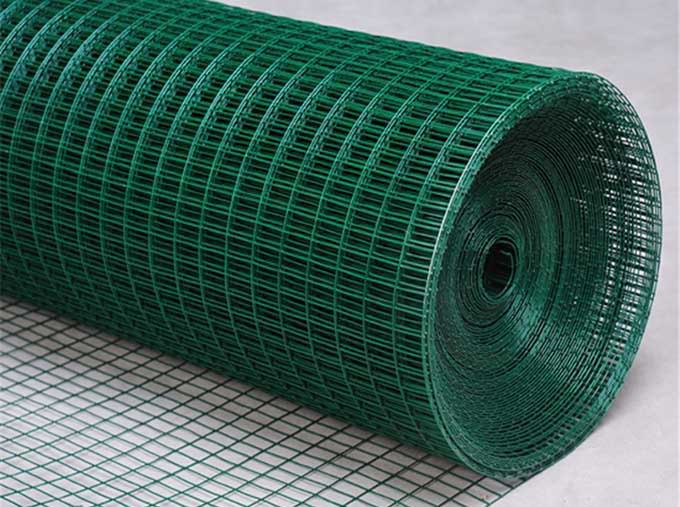
Consistent wire diameter, regular mesh openings, stable welding quality, appropriate surface treatment, and reliable packaging all contribute to the value of the finished product.
At Qunkun Metal, we manufacture and supply welded wire mesh products for international customers, including distributors, importers, contractors, and industrial buyers.
With more than 30 years of manufacturing and export experience, our team can assist with galvanized and PVC-coated welded wire mesh, customized roll dimensions, wire diameter selection, and different mesh opening requirements.
Whether you are sourcing mesh for warehouse partitions, industrial enclosures, commercial facilities, or general-purpose applications, we welcome your specifications and project requirements.
Contact Qunkun Metal to discuss your welded wire mesh roll requirements and request a factory quotation.



- Tel.: +86 311 83077076
- E-mail: sales@qunkunmetal.com
- Skype: qunkunsales01
- WhatsApp: 8618032412189
- Add.: No.69 The Filter Industrial Park of Anping, Hebei, China


