


How to Choose the Right Galvanized Wire Mesh: Types, Specifications and Buying Guide
Choosing galvanized wire mesh is not simply a matter of selecting a mesh opening and asking for the lowest price.
The right product depends on several factors, including the mesh type, wire diameter, mesh opening, galvanizing method, zinc coating, application, environment, dimensions, and required service life.
A galvanized wire mesh used for garden fencing does not need the same specification as mesh used for industrial screening or a heavy-duty construction project.
For distributors, contractors, wholesalers, and project buyers, understanding these specifications can make it much easier to compare suppliers and avoid purchasing a product that is either under-specified or unnecessarily expensive.
So, how do you choose the right galvanized wire mesh?
The best approach is to work through the application first and then select the technical specifications.
What Is Galvanized Wire Mesh?
Galvanized wire mesh is manufactured from steel wire that has been protected with a zinc coating.
The zinc layer helps protect the underlying steel from corrosion and makes galvanized mesh suitable for many indoor and outdoor applications.
Galvanized wire mesh can be produced in several forms, including:
Galvanized welded wire mesh
Galvanized woven wire mesh
Galvanized chain link mesh
Galvanized hexagonal wire mesh
Galvanized crimped wire mesh
Galvanized square wire mesh
Each type has different characteristics and applications.
Therefore, the first step is to determine what type of mesh you actually need.
Step 1: Choose the Right Type of Galvanized Wire Mesh
Different mesh structures are designed for different jobs.
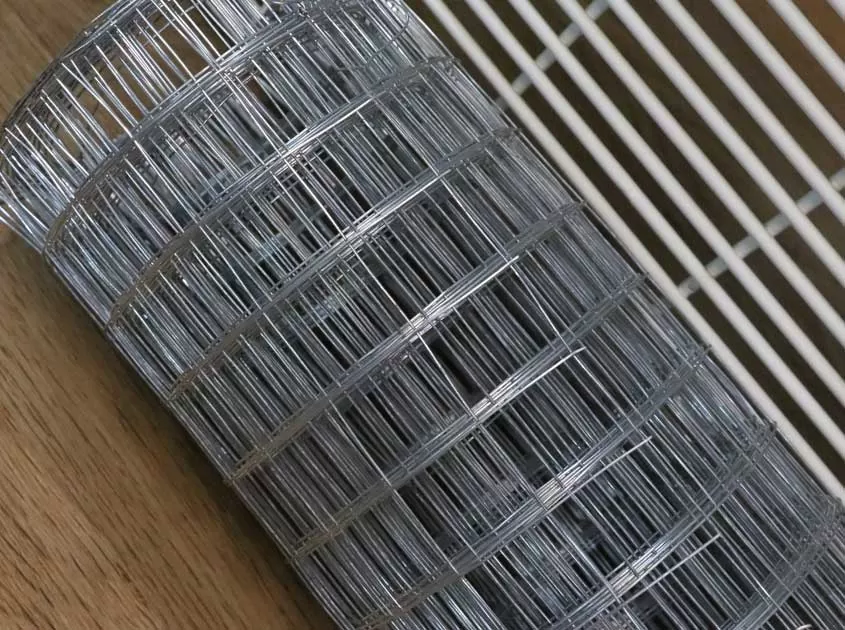
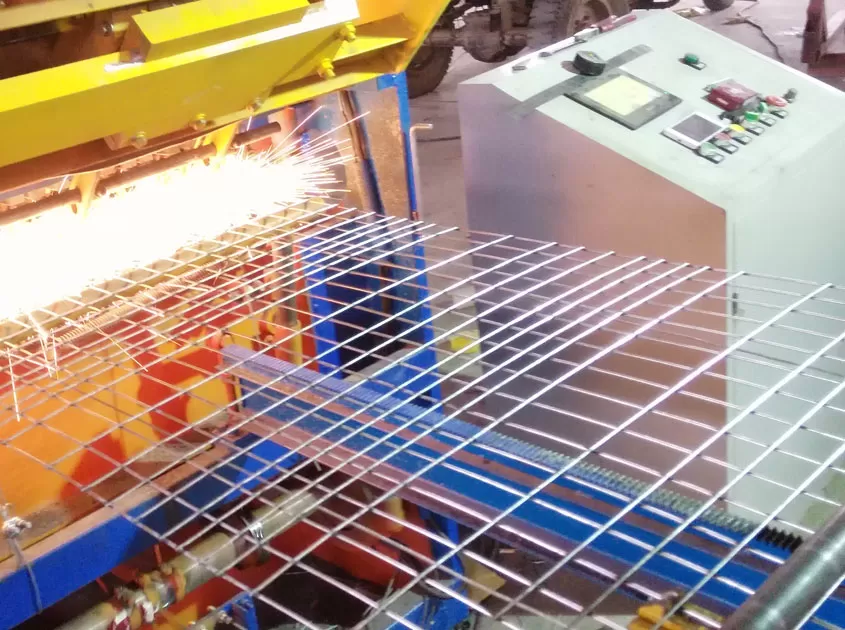
Galvanized Welded Wire Mesh
Wires are welded together at their intersections.
Advantages include:
Rigid structure
Consistent openings
Good dimensional stability
Easy installation
Typical applications include:
Fencing
Garden enclosures
Animal cages
Construction
Equipment protection
Industrial partitions
Galvanized Woven Wire Mesh
Woven wire mesh is produced by interlacing wires.
It can be manufactured in patterns such as:
Plain weave
Twill weave
Dutch weave
Other specialized patterns
It is commonly used for:
Screening
Filtration
Sieving
Separation
Industrial processing
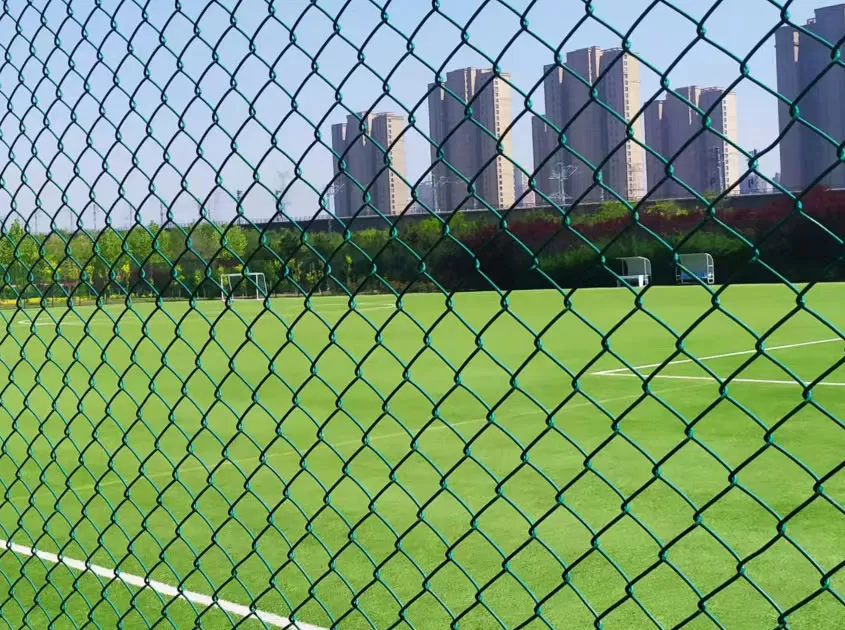
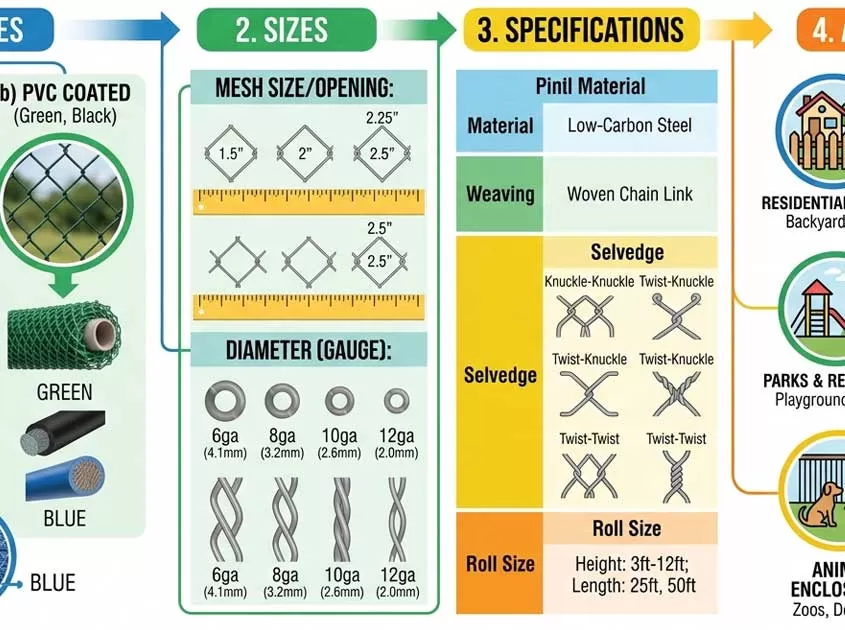
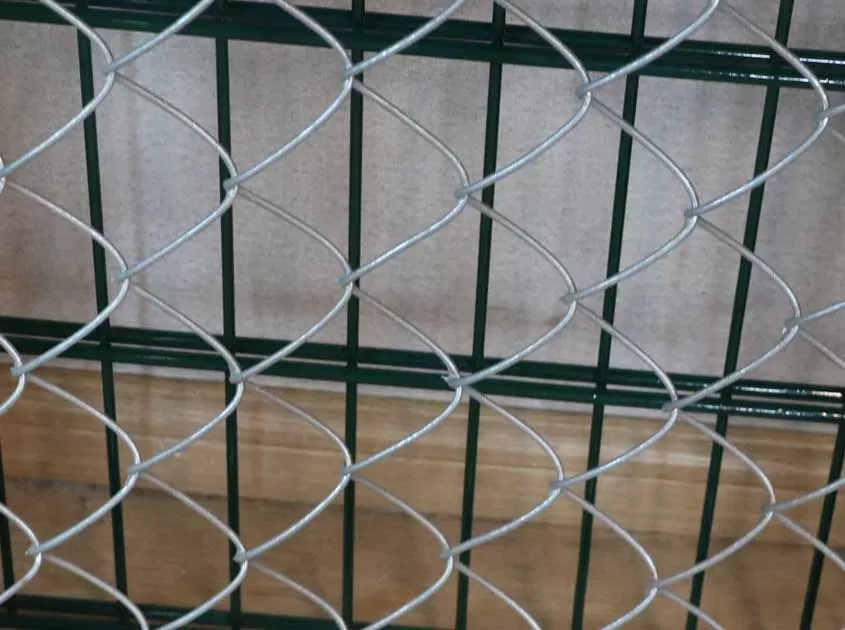
Galvanized Chain Link Mesh
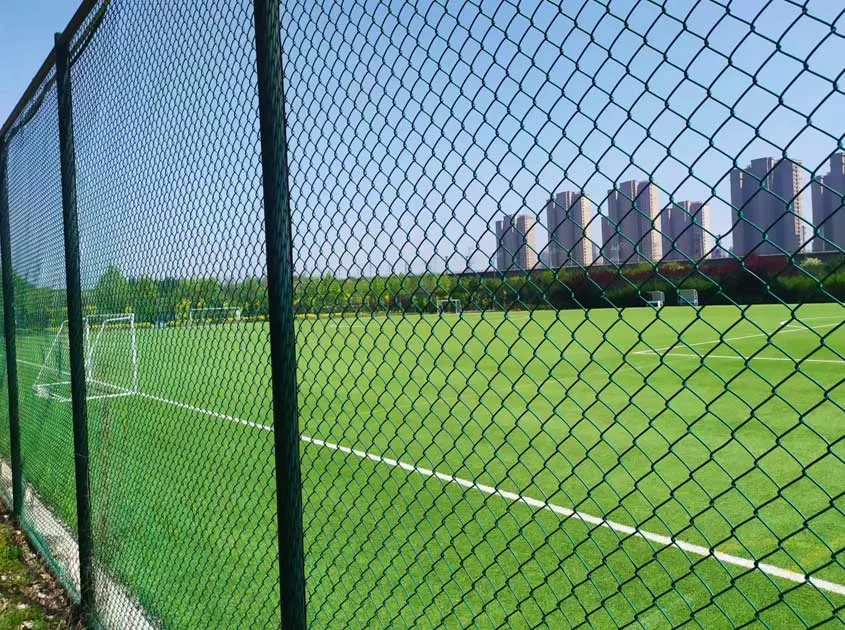
Chain link mesh has a diamond-shaped opening and a flexible woven structure.
It is widely used for:
Perimeter fencing
Sports facilities
Construction sites
Residential boundaries
Industrial fencing
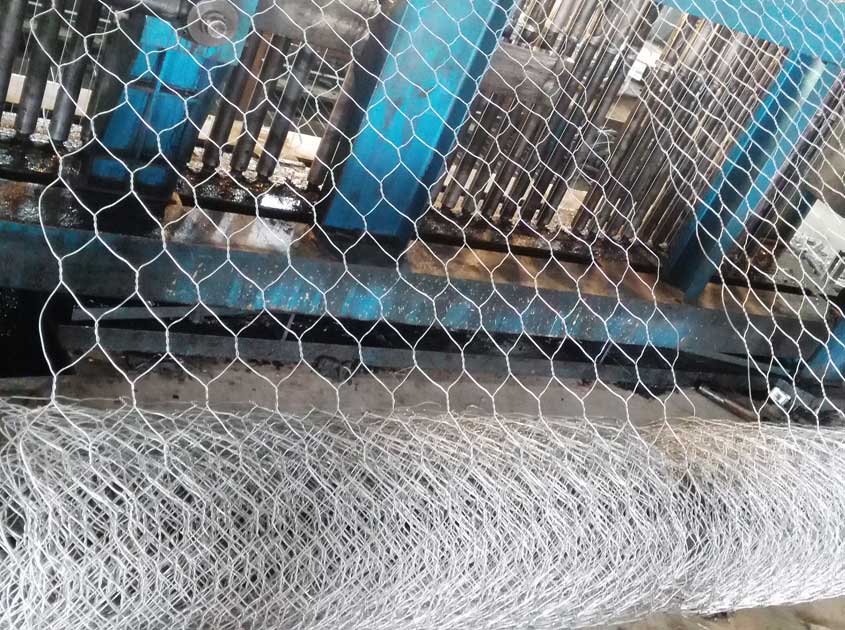
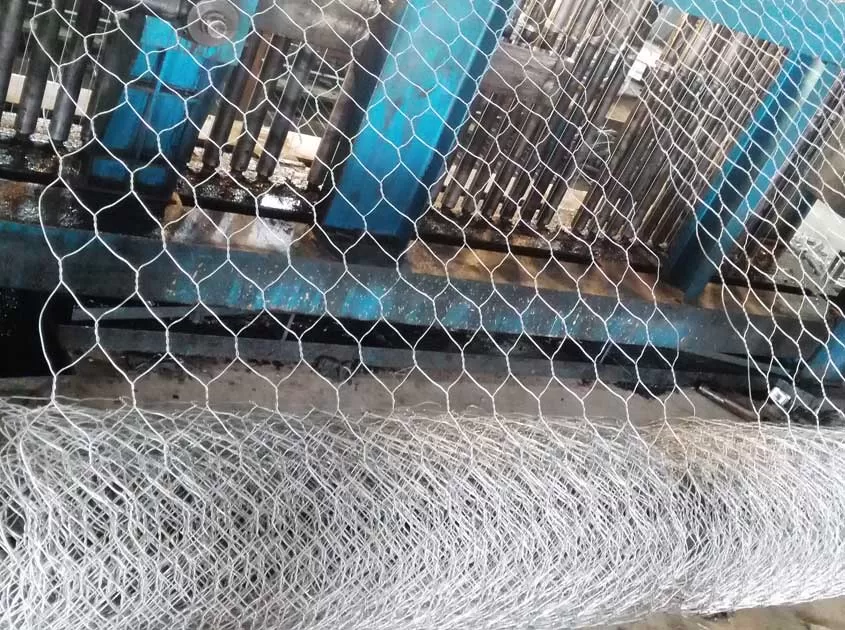
Galvanized Hexagonal Wire Mesh
Hexagonal mesh, often called chicken wire, uses hexagonal openings.
Typical applications include:
Poultry enclosures
Garden protection
Small animal enclosures
Agricultural applications
Light-duty fencing
Step 2: Select the Correct Mesh Opening
Mesh opening is one of the most important specifications.
The opening determines how much material can pass through the mesh and also affects the overall weight and cost.
Common openings may include:
6 mm
10 mm
13 mm
25 mm
50 mm
75 mm
100 mm
Custom sizes
The appropriate opening depends entirely on the application.
Smaller Openings
Smaller mesh openings are suitable when you need:
Greater containment
Fine screening
Small-animal protection
Reduced object passage
More detailed filtration
Larger Openings
Larger openings can be suitable when the main requirements are:
Perimeter separation
General fencing
Reduced material consumption
Greater airflow
Lower weight
Step 3: Choose the Correct Wire Diameter
Wire diameter affects the strength, rigidity, weight, and price of galvanized wire mesh.
For example, two meshes with the same 50 × 50 mm opening can have very different performance if one uses 1.6 mm wire and the other uses 3.0 mm wire.
A simplified example:
Wire Diameter
General Characteristics
1.2–1.6 mm Light-duty
1.6–2.0 mm General purpose
2.0–2.5 mm Medium-duty
2.5–3.5 mm Heavy-duty
3.5 mm+ Specialized heavy-duty applications
These ranges are examples rather than universal standards.
For fencing, wire diameter should be considered together with:
Fence height
Post spacing
Mesh opening
Expected impact
Installation method
Step 4: Decide Between Roll and Panel
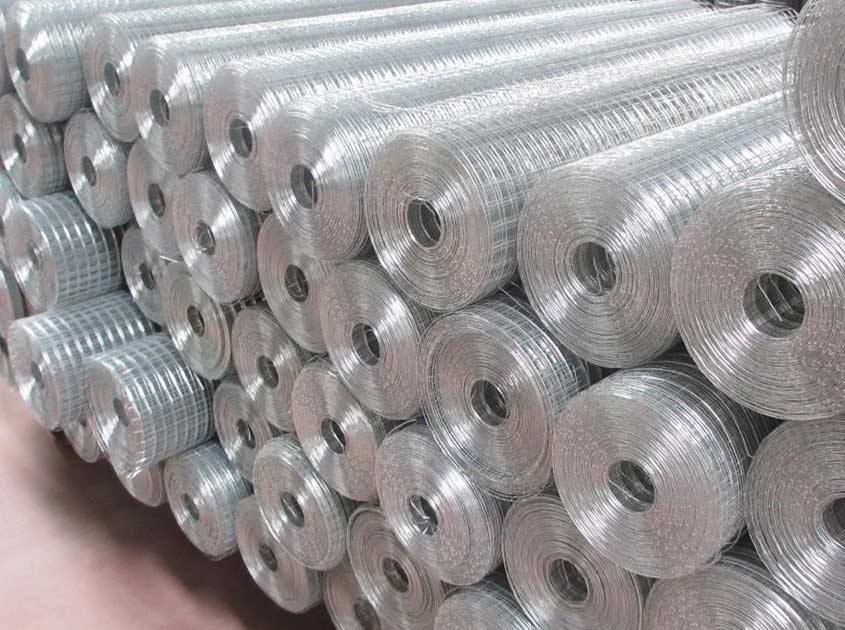
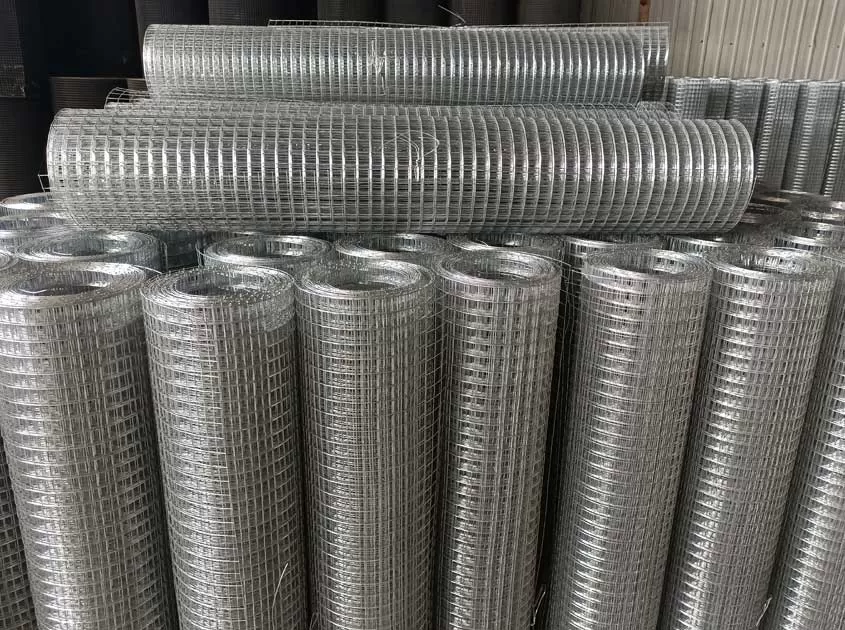
Galvanized welded wire mesh is commonly available in both rolls and panels.
Wire Mesh Rolls
Rolls are useful for:
Long fence lines
Agricultural projects
Garden fencing
Large-area applications
Flexible installation
Advantages include:
Easy transportation
Efficient storage
Fewer individual pieces
Easy cutting to required lengths
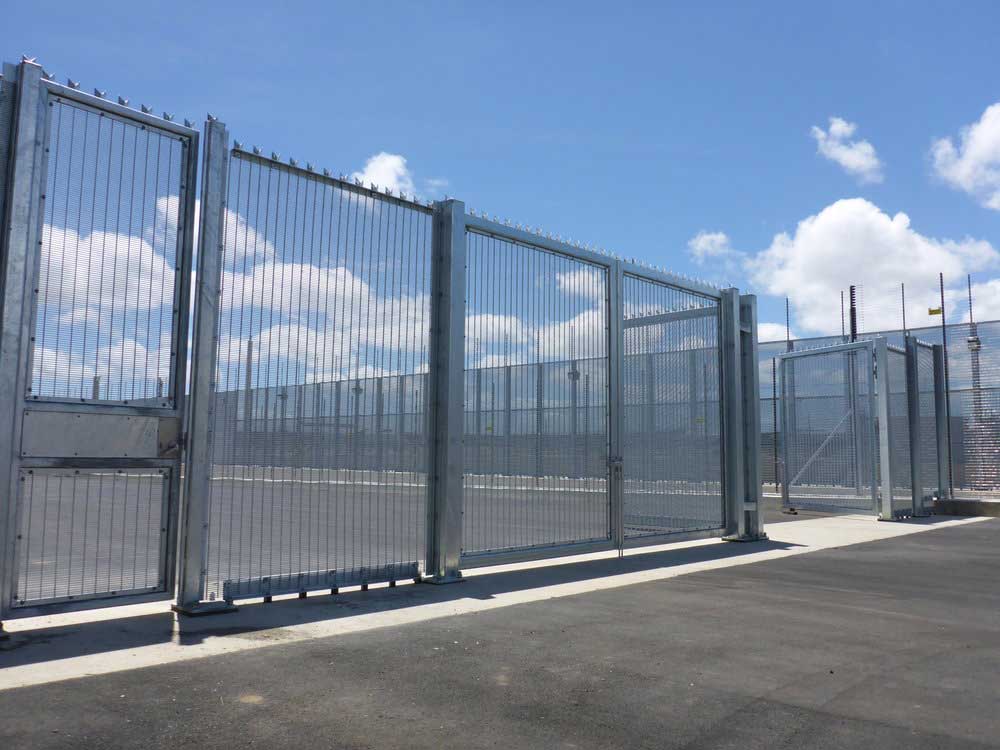
Wire Mesh Panels
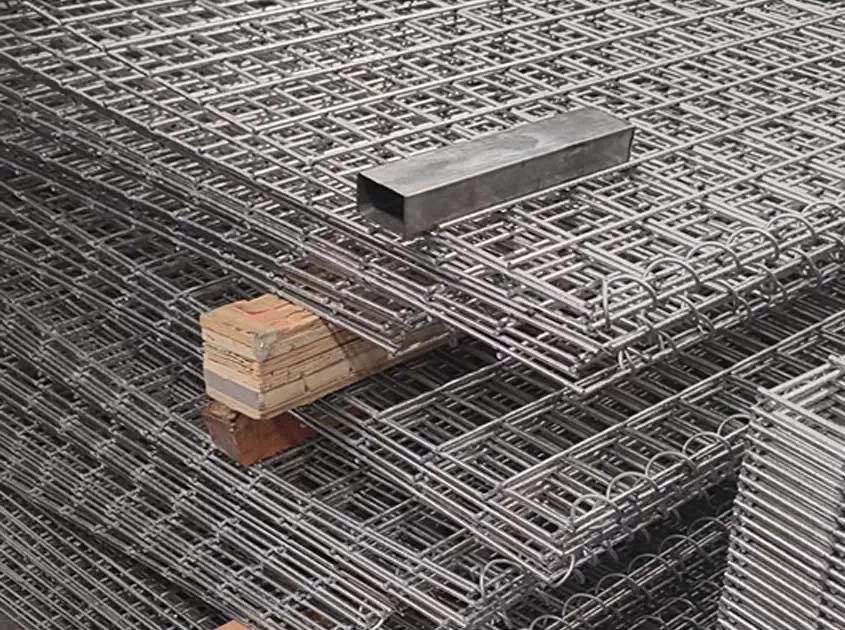
Panels provide a more rigid structure.
They are suitable for:
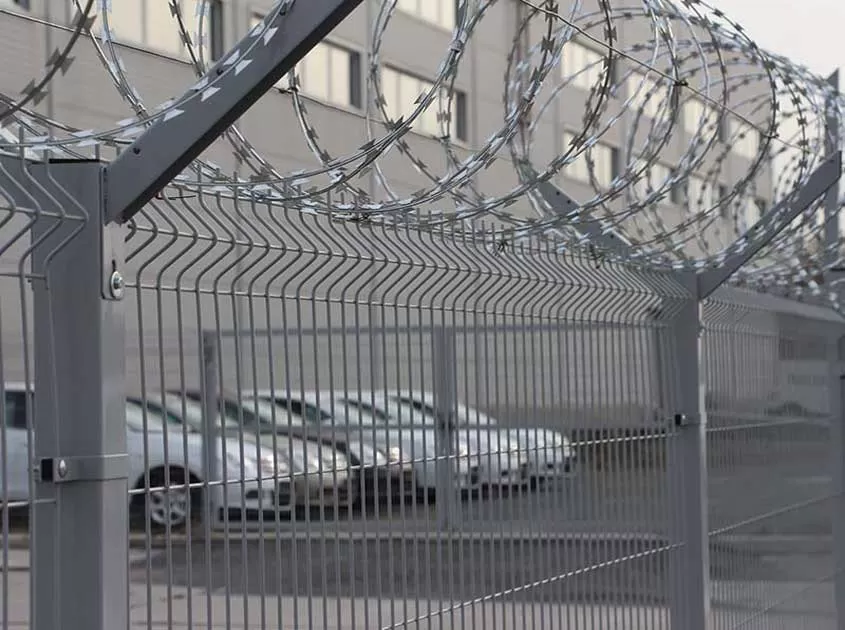
Security fencing
Industrial fencing
Construction projects
Animal enclosures
Equipment protection
Panels are easier to install as rigid sections but may require more storage and handling space.
Step 5: Understand Galvanizing Methods
Not all galvanized wire mesh is manufactured in exactly the same way.
One of the most important distinctions is when the zinc coating is applied.
Galvanized Before Welding or Weaving
The steel wire is galvanized before the mesh is manufactured.
This production method is widely used for standard mesh products.
Advantages can include:
Efficient manufacturing
Consistent wire coating
Competitive cost
Smooth appearance
However, welding or weaving can affect the zinc layer around processed areas.
Galvanized After Welding
The wire mesh is welded first and then galvanized.
This allows the completed mesh structure to receive the zinc coating.
This method can provide additional protection to the welded intersections and may be preferred for applications requiring stronger overall coating coverage.
Step 6: Check the Zinc Coating
The zinc coating is a critical part of galvanized wire mesh.
A thicker or better-controlled zinc coating can generally provide greater protection against corrosion, although actual service life depends on the environment and many other factors.
When buying galvanized mesh, ask the supplier about:
Zinc coating weight
Zinc coating thickness
Applicable standard
Testing method
Coating uniformity
Do not simply ask whether the mesh is "galvanized."
For larger B2B orders, the zinc coating specification should be included in the quotation or technical documentation.
Step 7: Consider the Environment
The correct galvanized mesh specification depends heavily on where it will be used.
Indoor Applications
Indoor environments with low humidity may require relatively basic corrosion protection.
For these applications, cost efficiency may be more important than maximum coating thickness.
Normal Outdoor Applications
For outdoor fencing and general applications, galvanized steel provides a practical combination of corrosion protection and cost.
Typical uses include:
Gardens
Farms
Warehouses
Construction sites
Industrial compounds
Coastal Environments
Coastal environments are more challenging because salt-laden air can accelerate corrosion.
Buyers should consider:
Higher-quality galvanization
Appropriate zinc coating
Larger wire diameter where required
Properly protected posts
Suitable fasteners
Additional coatings where appropriate
For severe marine exposure, material selection should be reviewed according to the actual environmental conditions.
Step 8: Match the Mesh to the Application
Instead of starting with a product name, start with the job the mesh needs to perform.
For Garden Fencing
A lighter welded wire mesh with smaller openings may be sufficient.
Important factors include:
Appearance
Mesh opening
Height
Easy installation
Corrosion resistance
For Agricultural Fencing
Consider:
Animal size
Fence height
Wire diameter
Mesh opening
Ground conditions
Expected impact
Different animals require different fencing designs.
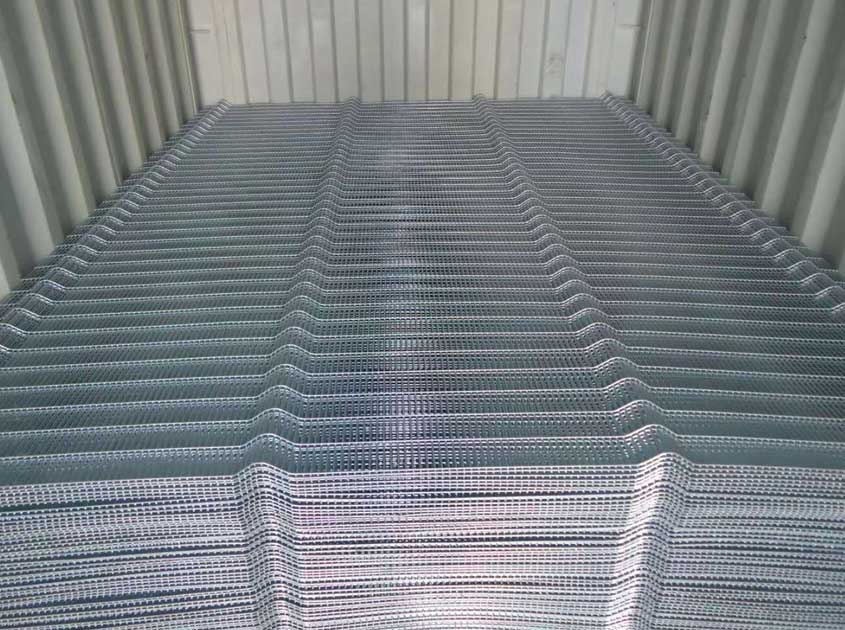
For Industrial Fencing
Industrial projects may require:
Heavier wire
Smaller mesh openings
Rigid panels
Strong posts
Security fixing systems
The mesh should be selected as part of the complete fencing system.
For Screening
For screening applications, focus on:
Opening size
Wire diameter
Weave pattern
Material consistency
Dimensional tolerance
A fine screening application requires a very different product from a perimeter fence.
Step 9: Consider the Required Fence Height
For fencing applications, height affects both material consumption and overall project cost.
Common fence heights may include:
1.0 m
1.2 m
1.5 m
1.8 m
2.0 m
2.4 m
Custom heights
The required height depends on:
Security requirements
Animal containment
Local regulations
Property boundaries
Installation conditions
Do not select the mesh first and try to adapt the height afterward.
Define the finished fence height at the beginning of the quotation process.
Step 10: Choose the Right Surface Finish
Galvanized wire mesh normally has a silver-gray metallic appearance.
For applications where appearance matters, buyers may also consider additional surface treatments such as:
PVC coating
Powder coating
Other protective finishes
PVC coated welded wire mesh, for example, combines a steel core with a colored polymer surface.
However, if the project specifically requires galvanized wire mesh, confirm whether additional coating is acceptable.
Step 11: Check the Wire Material
Not every "galvanized wire mesh" has exactly the same steel specification.
For general fencing, low-carbon steel wire is commonly used.
For industrial applications, buyers may have additional material requirements.
Ask the supplier to confirm:
Steel type
Wire diameter
Tensile requirements where applicable
Galvanizing method
Coating specification
For specialized projects, material certificates may be required.
Step 12: Consider Weight and Transportation
Galvanized wire mesh is sold by:
Roll
Panel
Square meter
Kilogram
Piece
For international buyers, weight is particularly important because transportation costs can significantly affect the final landed price.
A heavier mesh normally contains more steel and therefore costs more to manufacture and transport.
When comparing quotations, ask for:
Net weight + gross weight + roll/panel dimensions + packaging dimensions
This makes it easier to calculate container loading and shipping costs.
How to Calculate the Approximate Mesh Weight
For buyers comparing suppliers, understanding weight can be useful.
The approximate weight of welded or woven mesh depends mainly on:
Wire diameter
Mesh opening
Mesh width
Mesh length
Number of wires
A thicker wire and smaller opening generally result in a heavier product.
However, actual finished weight can vary because of:
Manufacturing tolerances
Zinc coating
PVC coating
Cutting
Welding
Weaving
Therefore, use theoretical calculations as a reference and confirm the manufacturer's actual product weight before placing a large order.
How Much Zinc Coating Do You Need?
There is no single zinc coating that is ideal for every application.
A practical approach is:
Mild Environment
A standard galvanized specification may be sufficient.
Normal Outdoor Environment
A controlled zinc coating appropriate for outdoor exposure is recommended.
High-Humidity or Coastal Environment
Consider a heavier zinc coating or an additional protective coating, depending on the project.
Critical Long-Term Application
Follow the relevant project specification or engineering standard.
The key is to match the coating level to the expected environment and service life.
Galvanized Wire Mesh vs PVC Coated Wire Mesh
These products are often compared.
Feature
Galvanized Wire Mesh
PVC Coated Wire Mesh
Surface Zinc Polymer
Appearance Metallic silver Colored
Corrosion protection Good Good to very good
Color options Limited Multiple
Cost Usually lower Usually higher
Industrial appearance Excellent Good
Landscaping Good Excellent
Maintenance Low Low
For many general industrial applications, galvanized mesh is an economical choice.
For landscaping and residential applications where appearance is important, PVC coated mesh may be preferable.
How to Choose Galvanized Mesh for Different Buyers
For Distributors
Distributors should focus on specifications that have broad local demand.
A practical inventory may include several combinations of:
Popular mesh openings
Common wire diameters
Standard roll widths
Standard fence heights
The exact stock should be based on local market demand.
For Contractors
Contractors should prioritize:
Consistent dimensions
Reliable supply
Matching accessories
Installation efficiency
Technical documentation
For Project Buyers
Project buyers should provide complete specifications before requesting quotations.
This reduces the chance of receiving different products from different suppliers.
How to Compare Galvanized Wire Mesh Suppliers
When comparing suppliers, do not compare price alone.
Use the same specification and compare:
Item
Supplier A
Supplier B
Supplier C
Mesh type
Mesh opening
Wire diameter
Zinc coating
Roll/panel size
Unit weight
Packaging
MOQ
Lead time
Loading quantity
Shipping terms
This can reveal why two quotations with apparently identical product names have different prices.
What Should You Include in a Galvanized Wire Mesh Inquiry?
A good inquiry should contain the following information:
Product: Galvanized welded wire mesh
Mesh opening: 50 × 50 mm
Wire diameter: 2.0 mm
Mesh type: Welded
Roll width: 1.5 m
Roll length: 25 m
Galvanizing: Required zinc coating specification
Quantity: 500 rolls
Application: Perimeter fencing
Destination: Required port
If you do not know the exact specification, tell the supplier the intended application instead.
A professional manufacturer can recommend a suitable starting specification.
How to Check Galvanized Wire Mesh Quality
Before accepting a large shipment, buyers can inspect several important characteristics.
Mesh Opening
Measure multiple locations rather than checking only one area.
Wire Diameter
Check the steel wire diameter using an appropriate measuring instrument.
Zinc Coating
Where required, verify the coating according to the agreed test method or standard.
Weld Quality
For welded mesh, inspect the welded intersections for consistency and strength.
Surface Condition
Look for:
Excessive bare areas
Uneven coating
Damaged wires
Broken welds
Deformation
Serious rust
Dimensions
Check:
Roll width
Roll length
Panel dimensions
Packaging
Common Galvanized Wire Mesh Buying Mistakes
Buying Based Only on Mesh Opening
Two products can have the same opening but very different wire diameters.
Ignoring Zinc Coating
"Galvanized" does not automatically mean that every supplier uses the same coating specification.
Comparing Different Weights
A lower price may simply reflect less steel in the product.
Not Specifying Roll Length
Two suppliers may quote the same price per roll while providing different roll lengths.
Forgetting the Application
A mesh suitable for a garden may not be appropriate for heavy industrial fencing.
Focusing Only on the Lowest Factory Price
The lowest product price may not result in the lowest landed cost after packaging, loading, shipping, and potential quality problems are considered.
Why Buy Galvanized Wire Mesh From a China Manufacturer?
China has a large manufacturing base for wire mesh and steel wire products.
For international B2B buyers, sourcing directly from a manufacturer can provide access to:
Multiple mesh types
Custom openings
Different wire diameters
Various zinc coating specifications
Roll and panel production
OEM manufacturing
Export packaging
Container loading
Matching fencing accessories
For distributors and contractors, working directly with a factory can also simplify repeat orders and specification consistency.
Export Packaging for Galvanized Wire Mesh
For international transportation, packaging is an important part of product quality.
Typical packaging can include:
Waterproof paper
Plastic film
Plastic bags
Pallets
Steel straps
Customized export packaging
The packaging should protect the mesh from moisture, dirt, impact, and deformation during transportation.
For container orders, efficient packaging can also improve loading efficiency.
Final Galvanized Wire Mesh Selection Checklist
Before placing an order, confirm these specifications:
Product
Welded
Woven
Chain link
Hexagonal
Crimped
Other
Mesh
Opening
Wire diameter
Mesh dimensions
Roll or panel
Galvanizing
Before or after production
Zinc coating requirement
Applicable standard
Application
Fencing
Agriculture
Construction
Screening
Industrial
Animal enclosure
Other
Logistics
Quantity
Roll/panel weight
Packaging
Container type
Destination
A complete specification makes supplier comparison much easier.
Frequently Asked Questions
What is the best galvanized wire mesh?
There is no single best galvanized wire mesh. The right product depends on the application, mesh opening, wire diameter, galvanizing specification, environment, and required service life.
Is thicker galvanized wire mesh better?
Not always. A thicker wire provides greater material strength and rigidity, but it also increases weight and cost. Choose the wire diameter according to the application.
Is galvanized wire mesh suitable for outdoor use?
Yes. Galvanized wire mesh is widely used outdoors for fencing, agriculture, construction, and industrial applications. The appropriate zinc coating should be selected according to the environment.
Which is better: galvanized before or after welding?
Neither is universally better. Galvanized-before-production mesh can be economical and widely available, while galvanized-after-welding mesh can provide coating coverage over the completed mesh structure. The appropriate choice depends on the application and coating requirements.
Does galvanized wire mesh rust?
Galvanized wire mesh can eventually corrode, particularly if the zinc coating is consumed or damaged. However, the zinc coating provides significant protection compared with uncoated carbon steel.
How long does galvanized wire mesh last?
Service life varies significantly depending on zinc coating, wire thickness, environment, moisture, salt exposure, installation, and maintenance. There is no single service-life figure that applies to every galvanized mesh product.
Can galvanized wire mesh be customized?
Yes. Manufacturers can commonly customize mesh opening, wire diameter, roll width, roll length, panel dimensions, and galvanizing specifications for suitable order quantities.
Conclusion
Choosing the right galvanized wire mesh starts with the application rather than the price.
First determine whether you need welded, woven, chain link, hexagonal, or another type of mesh.
Then select:
Mesh opening → wire diameter → roll or panel → galvanizing method → zinc coating → dimensions → application → packaging.
For general outdoor fencing, galvanized mesh offers a practical combination of corrosion protection, durability, availability, and cost.
For more demanding environments, the zinc coating and complete material specification become increasingly important.
For B2B buyers, the best quotation is not necessarily the one with the lowest price. The better comparison is based on the same technical specification, actual weight, coating requirements, packaging, loading quantity, and total delivered cost.
Request a Galvanized Wire Mesh Quotation
Qunkun Metal manufactures and exports galvanized welded wire mesh, woven wire mesh, chain link mesh, hexagonal wire mesh, and other galvanized mesh products for distributors, wholesalers, contractors, and project buyers.
Send us your mesh type, opening, wire diameter, dimensions, zinc coating requirement, quantity, and destination for a factory-direct quotation.
-
 What Is Galvanized Wire Mesh and Why Is It Popular? Aug 26, 2026
 -
 Galvanized Welded Wire Mesh Roll Manufacturer China Jul 21, 2026



- Tel.: +86 311 83077076
- E-mail: sales@qunkunmetal.com
- Skype: qunkunsales01
- WhatsApp: 8618032412189
- Add.: No.69 The Filter Industrial Part of Anping, Hebei, China


