


Galvanized Wire Mesh Types, Specifications and Applications Guide
Galvanized wire mesh is one of the most widely used metal mesh products for fencing, construction, agriculture, animal enclosures, industrial screening, ventilation, and general-purpose protection.
Its popularity comes from a simple combination: steel wire provides strength, while the zinc coating helps protect the wire from corrosion.
However, galvanized wire mesh is not a single standardized product. Different manufacturing processes, wire diameters, mesh openings, mesh structures, and zinc coatings can produce very different products.
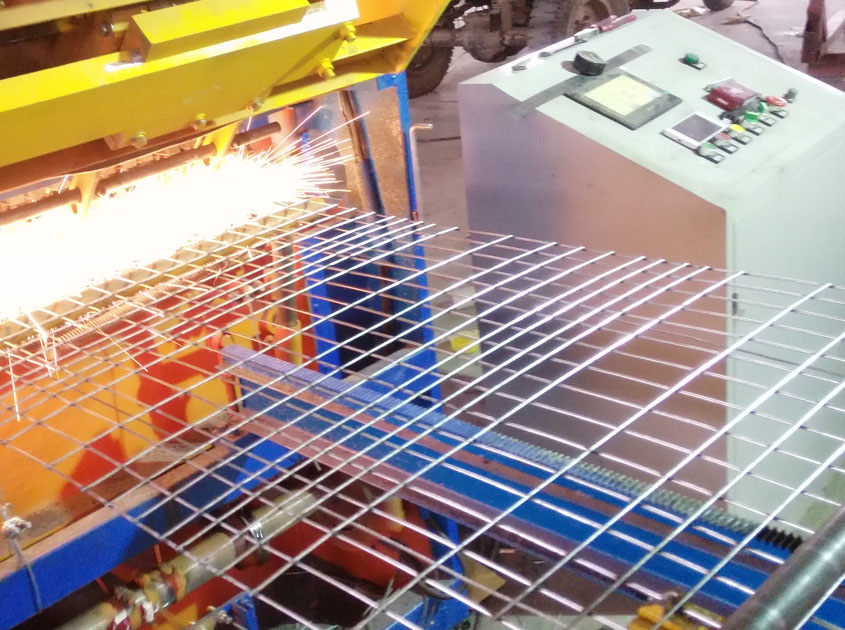
For importers, distributors, contractors, farmers, engineers, and project buyers, understanding these differences is important when choosing the right mesh.
This guide explains the main types of galvanized wire mesh, common specifications, galvanizing methods, applications, and the factors buyers should consider before ordering.
What Is Galvanized Wire Mesh?
Galvanized wire mesh is a mesh product made from steel wire that has been coated with zinc to improve corrosion resistance.
The steel wires can be:
Woven
Welded
Crimped
Formed into hexagonal mesh
Manufactured into specialized mesh structures
The zinc coating creates a protective barrier between the steel and the surrounding environment.
Depending on the manufacturing process, galvanized wire mesh can have a bright silver appearance or a more matte galvanized finish.
Why Is Galvanized Wire Mesh Popular?
Galvanized wire mesh is popular because it offers a practical balance between cost, strength, corrosion resistance, and versatility.
Its main advantages include:
Corrosion Protection
The zinc coating helps protect the underlying steel from rust.
Good Mechanical Strength
Steel wire provides the structural strength required for many fencing and screening applications.
Cost Efficiency
Galvanized steel is generally more economical than stainless steel for many general-purpose applications.
Versatility
The same basic material can be manufactured into many different mesh structures.
Easy Fabrication
Many galvanized mesh products can be cut, bent, formed, or installed using conventional tools and systems.
Main Types of Galvanized Wire Mesh
Galvanized wire mesh can be divided into several major categories.
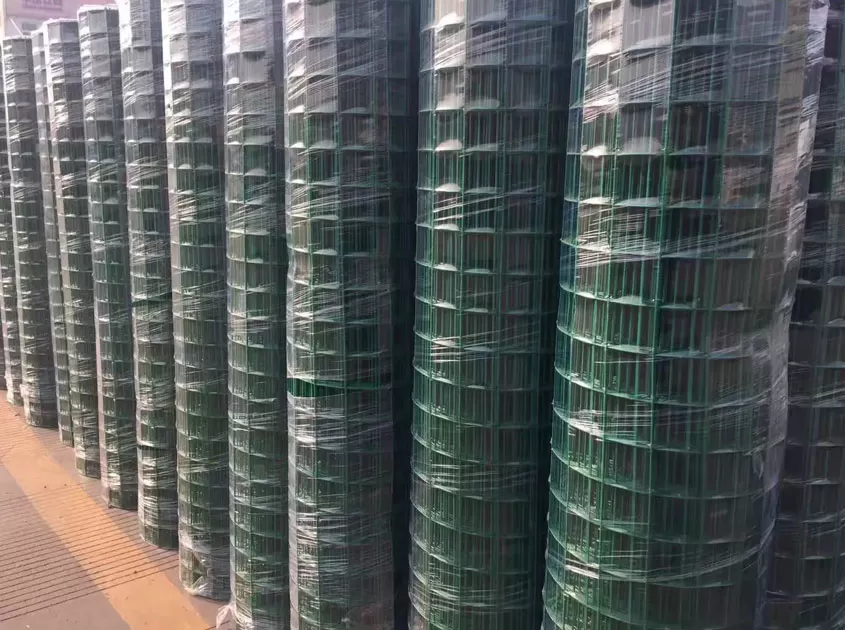
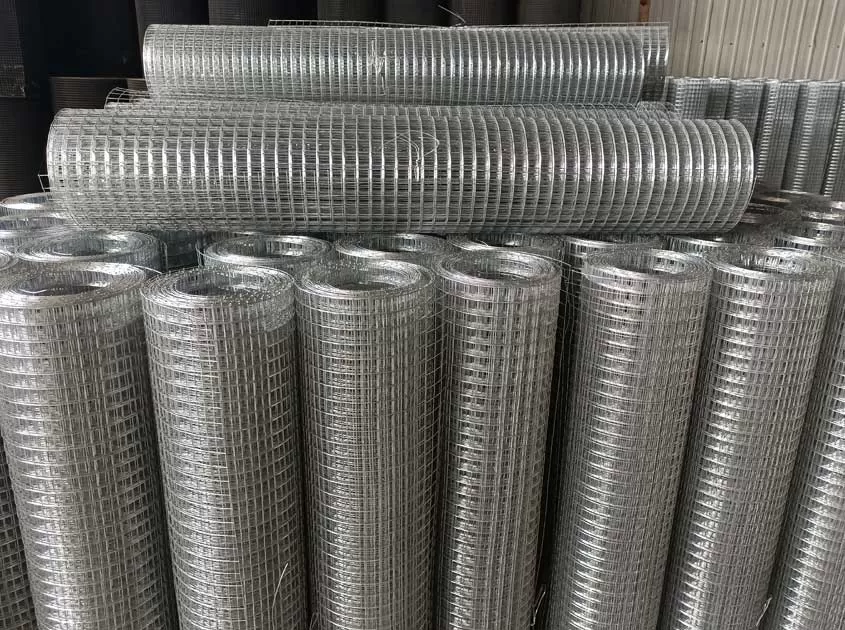
1. Galvanized Welded Wire Mesh
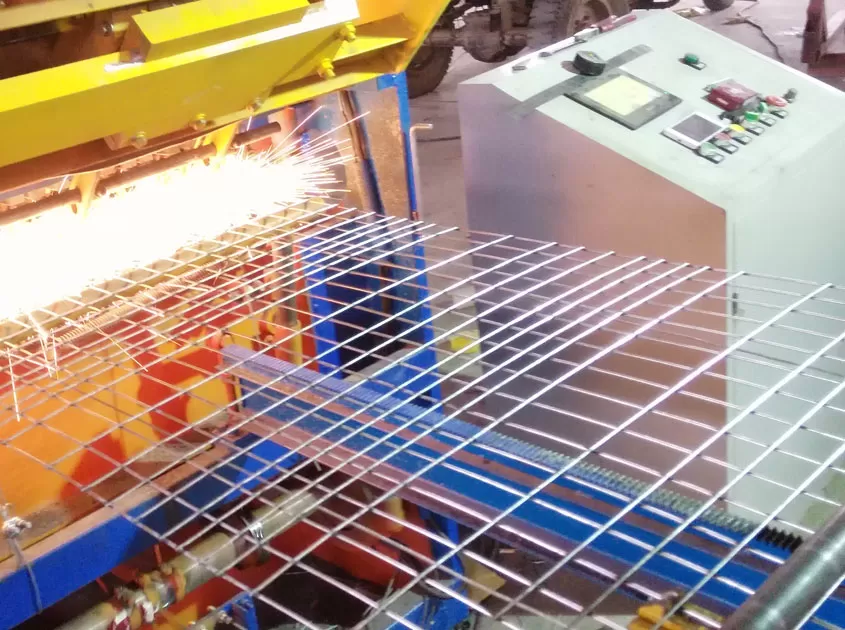
Welded wire mesh is manufactured by welding horizontal and vertical wires at their intersections.
It normally has:
Square openings
Rectangular openings
Uniform dimensions
High rigidity
Common applications include:
Fencing
Animal cages
Garden fencing
Construction
Industrial partitions
Machine protection
It can be supplied in rolls or panels depending on the wire diameter and application.
2. Galvanized Woven Wire Mesh
Woven wire mesh is produced by interweaving wires.
Common structures include:
Plain weave
Twill weave
Dutch weave
Crimped mesh
Woven galvanized mesh is used for:
Screening
Sieving
Separation
Ventilation
Industrial applications
The weave pattern and wire diameter determine the final strength and opening size.
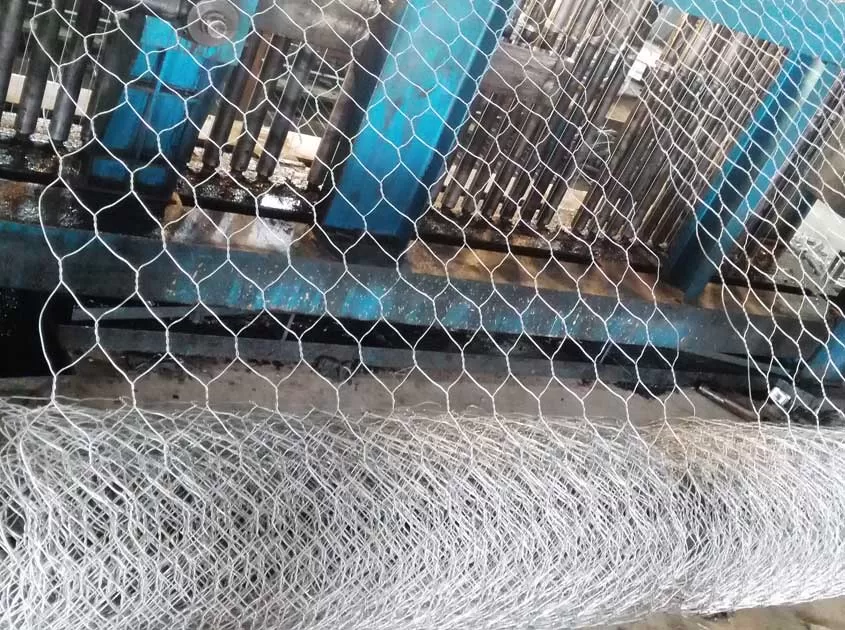
3. Galvanized Hexagonal Wire Mesh
Hexagonal wire mesh is manufactured by twisting wires together to form hexagonal openings.
It is commonly known as:
Chicken wire mesh
or
Hexagonal wire netting
Typical applications include:
Poultry fencing
Rabbit enclosures
Garden protection
Animal cages
Small livestock
Building reinforcement
Erosion-control applications
The most common opening shapes are hexagonal, with different mesh sizes available.
4. Galvanized Crimped Wire Mesh
Crimped wire mesh uses pre-shaped wires to create a stable mesh structure.
It can be manufactured with relatively heavy wire and is suitable for:
Screening
Mining
Quarrying
Aggregate processing
Industrial separation
The crimped structure helps maintain consistent openings and provides good rigidity.
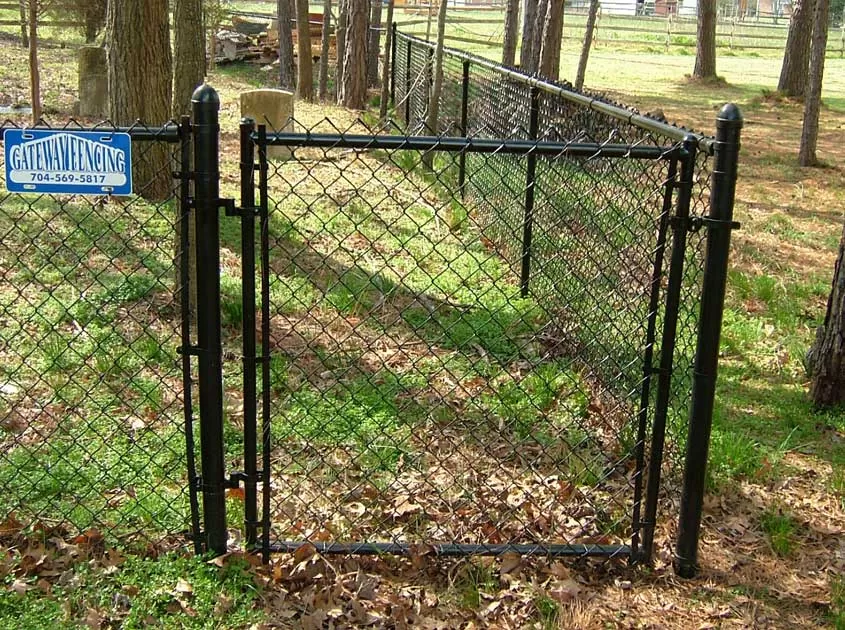
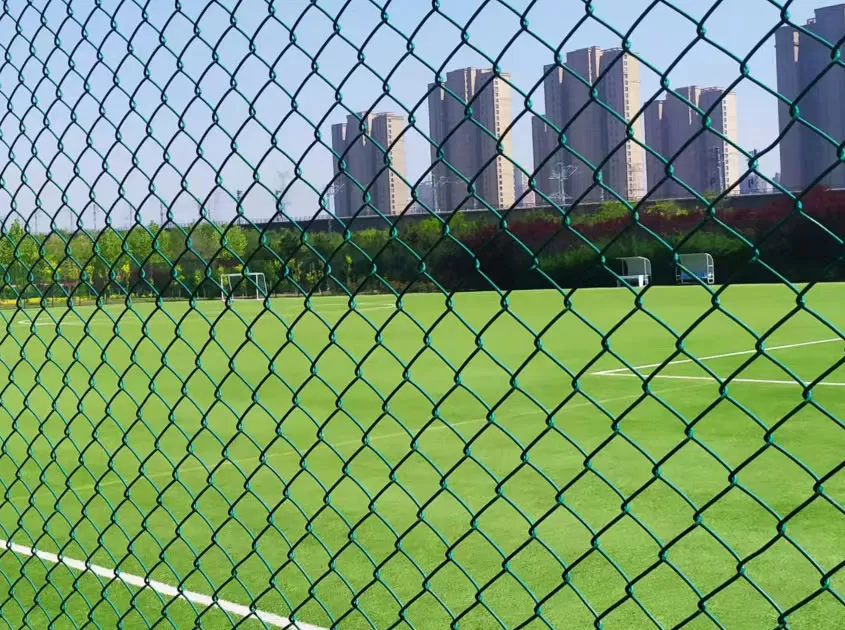
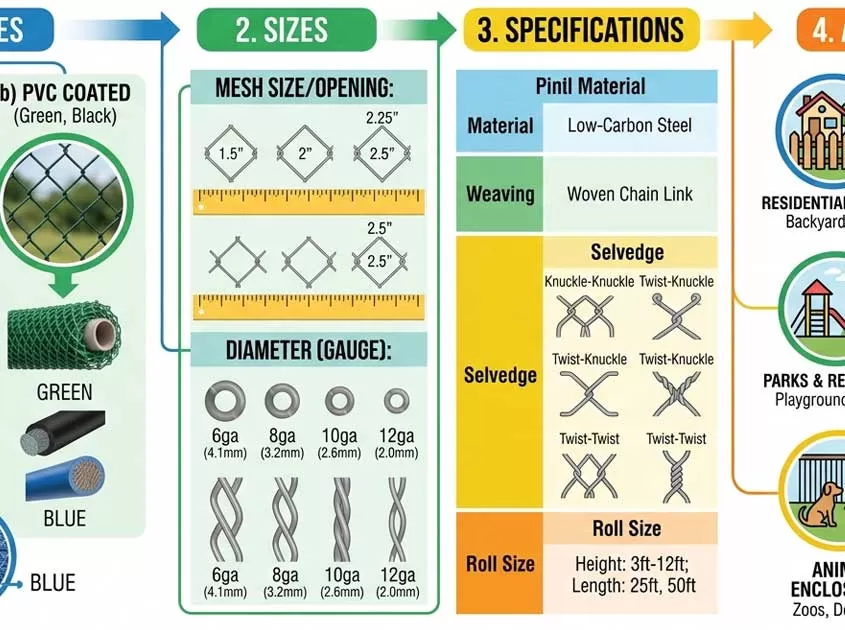
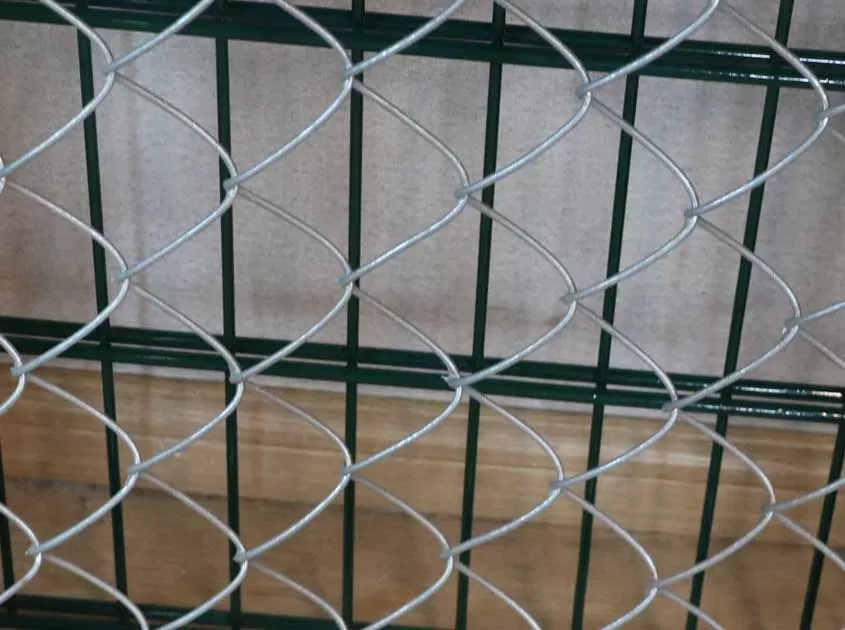
5. Galvanized Chain Link Mesh
Chain link mesh is manufactured by weaving galvanized steel wire into a diamond-shaped pattern.
It is widely used for:
Security fencing
Sports fields
Construction sites
Industrial facilities
Residential boundaries
Agricultural fencing
The product can be supplied in different wire diameters, mesh openings, heights, and lengths.
6. Galvanized Decorative Mesh
Some galvanized wire mesh products are used for decorative or architectural purposes.
However, for premium architectural interiors and building facades, materials such as stainless steel, aluminum, brass, and copper are more commonly selected because they offer greater design and finish options.
Galvanized mesh is generally more focused on practical applications.
How Is Galvanized Wire Mesh Made?
There are two important approaches to galvanizing wire mesh.
Galvanized Before Welding or Weaving
The steel wire is galvanized first and then processed into mesh.
This is often called:
Pre-galvanized wire mesh
The zinc coating exists on the wire before the mesh is manufactured.
Galvanized After Welding
The mesh is manufactured first and then immersed in molten zinc.
This is generally called:
Hot-dip galvanized after welding
The zinc coating covers the finished mesh, including many welded areas.
This process can provide a thicker protective coating, depending on the specification and production process.
Pre-Galvanized vs Hot-Dip Galvanized After Welding
Feature
Pre-Galvanized
Hot-Dip After Welding
Galvanizing stage Before mesh production After mesh production
Appearance Generally more uniform Can be less uniform
Weld protection May expose weld areas Coats finished welds
Zinc coating Generally thinner Can be thicker
Corrosion resistance Good Generally higher
Cost Usually lower Usually higher
Typical use General applications More demanding outdoor applications
The correct choice depends on the environment and expected service life.
Galvanized Wire Mesh Specifications
When purchasing galvanized wire mesh, several specifications should be confirmed.
1. Wire Diameter
Wire diameter is one of the most important specifications.
Common wire diameters may range from relatively thin wire for light-duty applications to much thicker wire for fencing and industrial screening.
Wire diameter affects:
Strength
Weight
Mesh rigidity
Cost
Corrosion allowance
A thicker wire generally provides greater mechanical strength but also increases product weight and cost.
2. Mesh Opening
Mesh opening refers to the clear distance between adjacent wires.
It can be specified in:
Millimeters
Centimeters
Inches
For example:
25 mm × 25 mm
means the mesh has approximately 25 mm openings in both directions.
For animal fencing and screening applications, the opening size should be selected according to the size of the animals or materials being contained or separated.
3. Mesh Count
For woven mesh, mesh count is often expressed as the number of openings per linear inch.
For example:
10 mesh
generally indicates approximately 10 openings per inch.
However, mesh count should always be considered together with wire diameter.
4. Mesh Width
Roll width depends on the product type.
Typical requirements may include:
0.5 m
1 m
1.2 m
1.5 m
1.8 m
2 m
Custom widths may also be available.
5. Roll Length
Depending on the mesh type, common roll lengths can include:
10 m
20 m
25 m
30 m
50 m
100 m
The actual standard depends on the product, wire diameter, packaging, and manufacturer.
6. Zinc Coating
The zinc coating is an important specification for outdoor applications.
Buyers may specify:
Zinc coating weight
Zinc thickness
Galvanizing standard
A higher zinc coating can generally provide better corrosion protection, but the actual performance depends on the environment and coating quality.
For B2B orders, it is better to specify the required coating according to a recognized standard rather than simply asking for "heavy galvanized."
7. Tensile Strength
For fencing and structural applications, wire tensile strength may be important.
It indicates how much tensile stress the wire can withstand before failure.
The appropriate tensile strength depends on:
Wire grade
Wire diameter
Application
Installation tension
Galvanized Wire Mesh Applications
1. Fencing
Fencing is one of the largest application areas.
Galvanized wire mesh can be used for:
Property boundaries
Construction sites
Industrial facilities
Warehouses
Farms
Sports grounds
Gardens
Chain link and welded wire mesh are especially common.
2. Agriculture
Galvanized mesh is widely used in agricultural applications.
Examples include:
Poultry fencing
Livestock enclosures
Farm boundaries
Garden fencing
Animal cages
Crop protection
The correct opening size depends on the animal or crop being protected.
3. Chicken and Poultry Enclosures
Galvanized hexagonal wire mesh is widely used for poultry enclosures.
Small openings help prevent poultry from escaping while providing ventilation.
It can also be used to create temporary or permanent enclosures.
4. Rabbit and Small Animal Enclosures
Galvanized welded or hexagonal mesh can be used for:
Rabbit cages
Small animal enclosures
Poultry houses
Pet enclosures
For applications where animals may chew or contact the wire frequently, buyers should carefully consider the wire coating and material suitability.
5. Construction
Galvanized welded wire mesh can be used in various construction-related applications.
Examples include:
Building reinforcement
Concrete-related mesh applications
Wall reinforcement
Plaster support
Temporary barriers
Protective screens
The required mesh type should be selected according to the engineering application rather than using general-purpose fencing mesh for structural purposes.
6. Industrial Screening
Galvanized woven or crimped wire mesh can be used for:
Material screening
Particle separation
Ventilation
Machine protection
Equipment guards
For abrasive or high-temperature environments, material selection becomes especially important.
7. Garden and Landscape Projects
Lightweight galvanized welded mesh is often used for:
Garden fences
Plant supports
Trellises
Tree protection
Compost cages
Landscape structures
Its relatively low cost makes it practical for large outdoor areas.
8. Ventilation and Protection
Galvanized mesh can be used to cover openings while maintaining airflow.
Applications can include:
Ventilation openings
Equipment protection
Air-conditioning equipment
Industrial enclosures
Building openings
9. Gabion and Erosion Control Applications
Certain galvanized wire mesh products are used in gabions and erosion-control structures.
For these applications, the mesh needs to be designed for:
Outdoor exposure
Mechanical loads
Stone weight
Environmental conditions
Heavy-duty galvanized wire or alternative protective coatings may be appropriate depending on the project.
Galvanized Wire Mesh vs Stainless Steel Wire Mesh
Feature
Galvanized Wire Mesh
Stainless Steel Wire Mesh
Corrosion resistance Good Excellent
Cost Lower Higher
Strength High High
Appearance Zinc-coated steel Stainless metallic
General fencing Excellent Often unnecessary
Agriculture Excellent Good
Filtration Application dependent Excellent
Marine environment More limited Better suited
Architectural use Moderate Excellent
Cost efficiency Excellent Moderate
For general fencing, agriculture, and construction applications, galvanized mesh is often the more economical choice.
For highly corrosive environments or premium architectural and filtration applications, stainless steel may be more appropriate.
Galvanized Wire Mesh vs PVC-Coated Wire Mesh
PVC-coated mesh adds a polymer coating over the steel wire.
Feature
Galvanized Mesh
PVC-Coated Mesh
Base material Galvanized steel Usually galvanized steel + PVC
Corrosion protection Good Higher when coating remains intact
Appearance Metallic Colored
Common colors Silver Green, black, etc.
Cost Lower Higher
Decorative effect Moderate Higher
Fencing Excellent Excellent
Agriculture Excellent Excellent
PVC-coated mesh may be preferable when color and additional surface protection are important.
How to Choose the Right Galvanized Wire Mesh?
Step 1: Define the Application
First determine whether you need the mesh for:
Fencing
Agriculture
Animal enclosure
Construction
Screening
Ventilation
Garden projects
Industrial protection
The application determines the appropriate mesh structure.
Step 2: Select the Mesh Type
Choose welded mesh when:
You need rigidity and uniform openings.
Choose woven mesh when:
Flexibility or screening performance is important.
Choose hexagonal mesh when:
You need poultry, small-animal, or similar lightweight enclosure mesh.
Choose chain link when:
You need economical perimeter fencing.
Choose crimped mesh when:
You need a more rigid screening structure.
Step 3: Determine the Opening
The opening should match the purpose of the mesh.
For example:
Small opening → Small animals / fine screening
Medium opening → General fencing / enclosures
Large opening → Perimeter fencing / livestock / industrial screening
Step 4: Select Wire Diameter
Consider:
Required strength
Installation conditions
Animal size
Expected impact
Span
Budget
Do not select wire diameter based only on price.
Step 5: Choose the Galvanizing Method
For light-duty applications, pre-galvanized wire mesh may be sufficient.
For demanding outdoor applications, hot-dip galvanizing after fabrication can offer a more substantial zinc coating, depending on the specification.
Step 6: Consider the Environment
Ask:
Is the mesh indoors or outdoors?
Is it exposed to rain?
Is it near the sea?
Is there high humidity?
Are chemicals present?
Is the mesh buried or in contact with soil?
The more corrosive the environment, the more important the zinc coating and material specification become.
Common Mistakes When Buying Galvanized Wire Mesh
Mistake 1: Looking Only at the Mesh Opening
Two products may have the same opening but different wire diameters.
Their:
Strength
Weight
Price
Service life
can therefore be very different.
Mistake 2: Ignoring Zinc Coating
"Galvanized" does not necessarily mean all products have the same corrosion resistance.
The galvanizing process and coating amount matter.
Mistake 3: Assuming a Thicker Wire Is Always Better
A thicker wire increases strength, but it also increases:
Weight
Material consumption
Cost
The correct wire diameter should match the actual application.
Mistake 4: Using Light Mesh for Heavy-Duty Applications
A light garden mesh should not automatically be used for:
Livestock fencing
High-impact areas
Industrial screening
Security applications
The mesh structure needs to match the expected loads.
Mistake 5: Comparing Prices Without Comparing Specifications
When comparing suppliers, make sure the quotations specify the same:
Wire Diameter + Mesh Opening + Galvanizing Method + Zinc Coating + Dimensions
Otherwise, a cheaper quotation may simply represent a lower specification.
Galvanized Wire Mesh Selection Table
Application
Recommended Mesh
Key Considerations
Garden fence Welded mesh Opening + wire diameter
Chicken enclosure Hexagonal mesh Small opening
Rabbit enclosure Welded/hexagonal Opening + wire safety
Farm fence Welded/chain link Strength + height
Property fence Chain link Wire diameter + coating
Industrial screen Woven/crimped Opening + strength
Machine guard Welded mesh Rigidity
Ventilation Welded/woven Airflow + opening
Construction Specialized welded mesh Engineering requirements
Gabion Heavy galvanized mesh Coating + wire strength
Frequently Asked Questions
What is galvanized wire mesh?
Galvanized wire mesh is steel wire mesh protected with a zinc coating to improve resistance to corrosion.
Is galvanized wire mesh suitable for outdoor use?
Yes. It is widely used outdoors for fencing, agriculture, construction, gardens, and other applications. The required zinc coating should be selected according to the exposure conditions.
How long does galvanized wire mesh last?
There is no single service-life figure. Performance depends on zinc coating, wire diameter, environment, installation, moisture, salt exposure, and maintenance.
What is the difference between galvanized before welding and after welding?
Pre-galvanized mesh uses zinc-coated wire before fabrication. Hot-dip galvanized after welding coats the finished mesh after fabrication and can provide more comprehensive coating of the finished structure.
Is galvanized mesh better than stainless steel mesh?
Not universally. Galvanized mesh is generally more economical and is excellent for many fencing and agricultural applications. Stainless steel provides superior corrosion resistance for demanding environments and specialized applications.
Can galvanized wire mesh be customized?
Yes. Many manufacturers can customize wire diameter, opening size, mesh dimensions, galvanizing method, zinc coating, and packaging according to project requirements.
Why Choose Qunkun Metal Galvanized Wire Mesh?
Qunkun Metal supplies galvanized wire mesh for importers, distributors, contractors, agricultural suppliers, construction companies, industrial buyers, and international fencing markets.
Available products include:
Galvanized welded wire mesh
Galvanized woven wire mesh
Galvanized hexagonal wire mesh
Galvanized chain link mesh
Galvanized crimped wire mesh
Other customized galvanized mesh products
Specifications can be customized according to:
Wire Diameter + Mesh Opening + Mesh Type + Width + Length + Galvanizing Method + Zinc Coating
Products can be supplied in:
Rolls
Panels
Customized packaging
For a quotation, buyers can provide the mesh type, wire diameter, opening size, dimensions, galvanizing requirement, quantity, application, and destination.
Conclusion
Galvanized wire mesh remains one of the most practical choices for general-purpose metal mesh applications because it provides a useful balance of strength, corrosion protection, versatility, and cost.
The right product depends on more than simply choosing "galvanized mesh."
Buyers should evaluate:
Mesh Type + Wire Diameter + Opening Size + Galvanizing Method + Zinc Coating + Dimensions + Application Environment
For fencing and agriculture, galvanized welded mesh, chain link mesh, and hexagonal mesh are widely used.
For screening and industrial applications, woven and crimped mesh may be more appropriate.
For demanding environments, the zinc coating and galvanizing process become particularly important.
Ultimately, the best galvanized wire mesh is the one that provides the required strength and corrosion resistance without paying for specifications the project does not actually need.
-
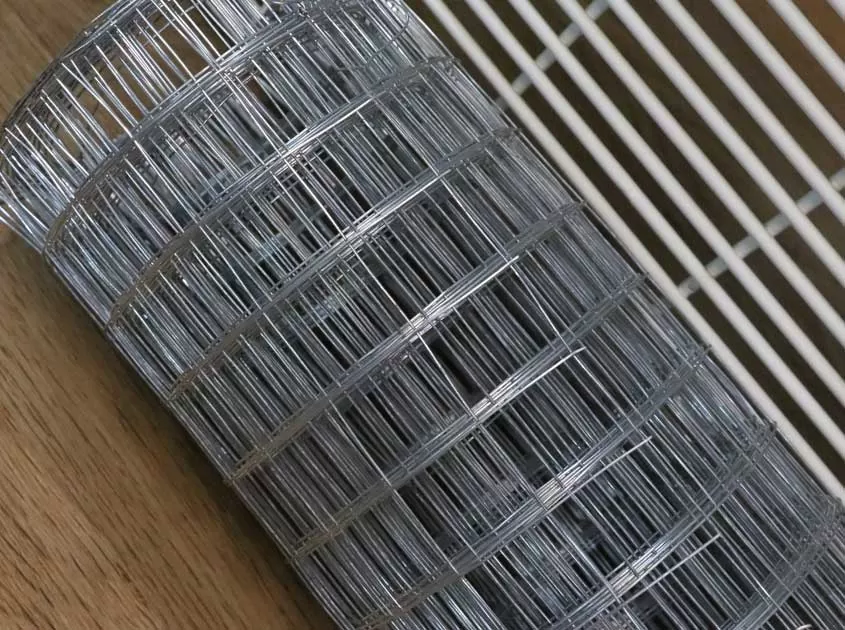 What Is Galvanized Wire Mesh and Why Is It Popular? Aug 26, 2026
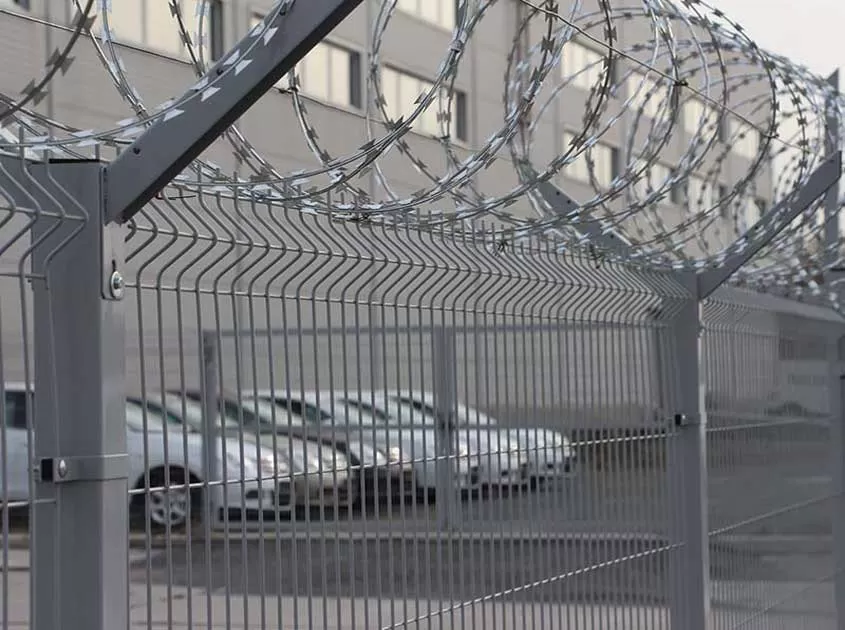 Galvanized Welded Wire Mesh Roll Manufacturer China Jul 21, 2026



- Tel.: +86 311 83077076
- E-mail: sales@qunkunmetal.com
- Skype: qunkunsales01
- WhatsApp: 8618032412189
- Add.: No.69 The Filter Industrial Part of Anping, Hebei, China


