


How Long Does Chain Link Fence Last?
Chain link fence is one of the most widely used fencing systems in the world for residential, commercial, industrial, and infrastructure applications. It is known for its durability, cost-effectiveness, and low maintenance requirements. However, one of the most common questions from buyers and project contractors is: how long does a chain link fence last?
The lifespan of a chain link fence depends on several key factors, including material type, coating quality, installation method, and environmental conditions. In general, a well-manufactured and properly installed chain link fence can last 10 to 30 years or more.
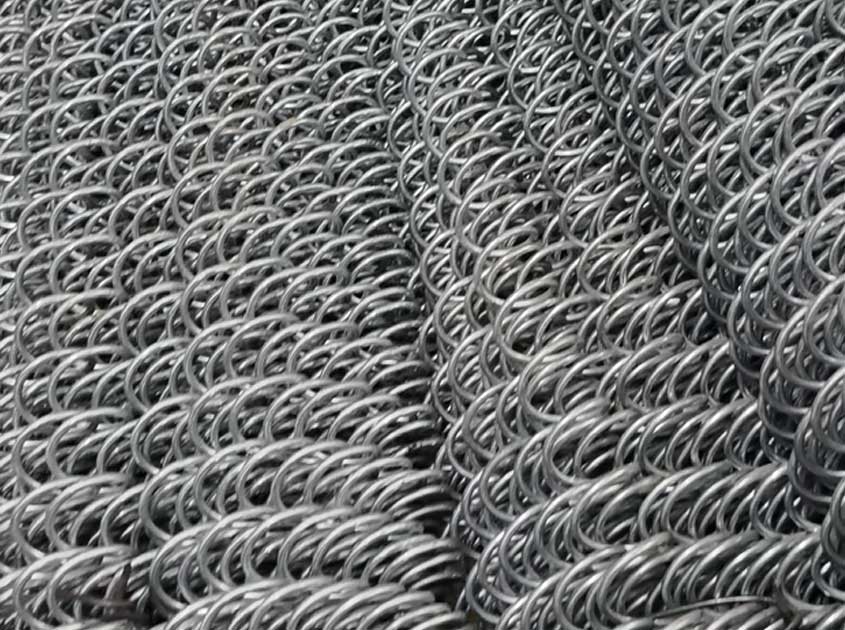
This article explains the expected lifespan of chain link fencing, the factors that affect durability, and how to maximize service life for long-term performance.
Average Lifespan of Chain Link Fence
The lifespan of a chain link fence varies depending on the type of material and surface treatment:
1. Galvanized Chain Link Fence
Average lifespan: 15–25 years
Suitable for most outdoor environments
Zinc coating protects steel from rust and corrosion
Galvanized chain link fence is the most common type used in global fencing projects.
2. PVC Coated Chain Link Fence
Average lifespan: 20–30 years
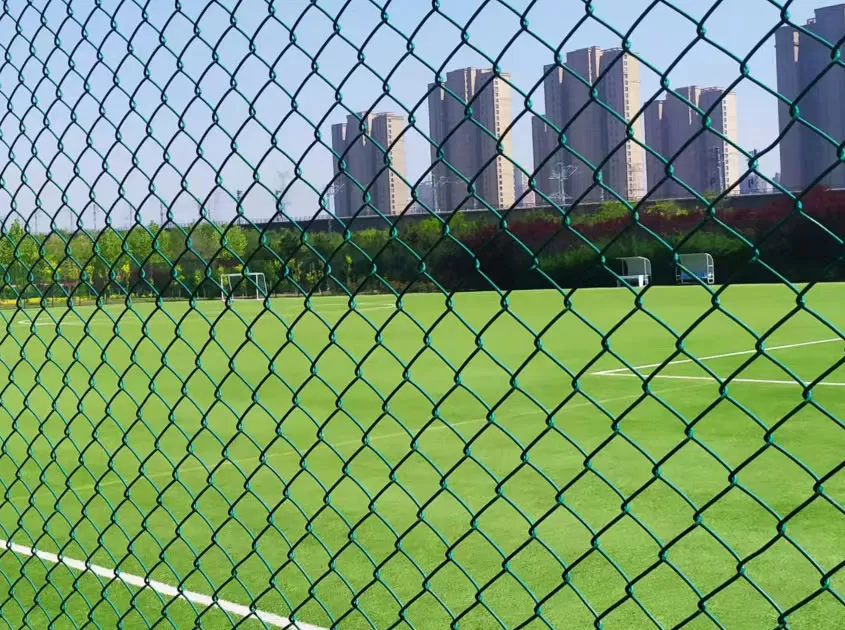
Double protection: galvanized + PVC coating
Excellent resistance to weather and chemicals
PVC coated chain link fence is widely used in coastal areas, parks, and high-humidity regions.
3. Stainless Steel Chain Link Fence
Average lifespan: 25–40+ years
Highest corrosion resistance
Suitable for extreme environments
Stainless steel chain link fence is used in high-security and long-term infrastructure projects.
Key Factors That Affect Chain Link Fence Lifespan
1. Material Quality
The quality of steel wire directly affects durability.
High-quality fencing uses:
Low carbon steel wire
High tensile strength
Uniform zinc coating
Poor-quality wire may rust or deform much faster, reducing lifespan significantly.
2. Coating Type and Thickness
The protective coating is the most important factor for outdoor durability.
Hot-dip galvanized coating provides strong rust protection
Electro-galvanized coating is more affordable but less durable
PVC coating adds an extra layer of protection
Thicker zinc coating generally means longer service life.
3. Environmental Conditions
Chain link fence lifespan varies greatly depending on location:
Coastal areas: salt air accelerates corrosion
Industrial zones: chemical exposure may reduce lifespan
High rainfall regions: moisture increases rust risk
Dry inland areas: longest lifespan conditions
Environmental exposure is one of the biggest factors affecting durability.
4. Installation Quality
Even high-quality fencing can fail early if poorly installed.
Proper installation includes:
Correct tensioning of mesh
Strong post foundations
Proper alignment and spacing
Use of quality fittings and accessories
Good installation can significantly extend service life.
5. Maintenance Practices
Chain link fence is low maintenance, but basic care improves lifespan:
Regular inspection for rust or damage
Cleaning dirt and debris buildup
Repairing damaged sections quickly
Re-coating exposed steel when needed
Simple maintenance can extend lifespan by several years.
How to Extend the Life of Chain Link Fence
Choose High-Quality Materials
Select fencing with:
Hot-dip galvanized wire
PVC coating for outdoor exposure
Proper wire thickness (3.0 mm–5.0 mm for heavy duty use)
Use Proper Fence Design
For longer lifespan:
Avoid excessive tension stress
Choose correct mesh size for application
Use reinforced posts in high-wind areas
Improve Protective Coating
For harsh environments:
Use double coating (galvanized + PVC)
Choose thicker zinc coating for coastal areas
Consider stainless steel for extreme conditions
Perform Regular Maintenance
Simple maintenance steps include:
Checking joints and connectors
Cleaning surface contamination
Repairing damaged mesh sections early
Chain Link Fence Lifespan by Application
Residential Use
Lifespan: 15–25 years
Low environmental stress
Minimal maintenance required
Commercial and Industrial Use
Lifespan: 10–20 years
Higher exposure to impact and weather
Requires stronger wire and coating
Agricultural Use
Lifespan: 10–20 years
Exposure to moisture and soil
PVC coating recommended
High-Security and Infrastructure Projects
Lifespan: 20–30+ years
Uses heavy-duty materials and stainless steel options
Designed for long-term performance
Signs That a Chain Link Fence Needs Replacement
Even durable fencing will eventually need replacement. Common signs include:
Visible rust spreading across wires
Broken or sagging mesh sections
Loose or unstable posts
Severe coating peeling
Reduced structural strength
Early detection helps prevent safety risks.
Why Chain Link Fence Is Still a Popular Choice
Despite new fencing technologies, chain link fence remains widely used because:
It is cost-effective
Easy to install and repair
Suitable for large-scale projects
Offers long service life
Provides good security and visibility
It is especially popular for industrial, agricultural, and infrastructure applications.
Why Global Buyers Source Chain Link Fence from China
China is one of the world’s leading manufacturers of chain link fencing due to:
Advanced wire drawing and weaving technology
Large-scale production capacity
Competitive pricing
Strong export logistics system
Ability to handle customized bulk orders
Chinese manufacturers supply chain link fence to markets across Europe, Africa, the Middle East, Southeast Asia, and South America.
Conclusion
So, how long does chain link fence last?
In general, a chain link fence can last 10 to 30 years or more, depending on material quality, coating type, installation method, and environmental conditions. With proper selection and maintenance, it can provide long-term, reliable performance for a wide range of applications.
For buyers and project contractors, choosing high-quality materials and a professional manufacturer is the key to maximizing service life and reducing long-term replacement costs.
As a professional Chinese chain link fence manufacturer and exporter, providing durable, corrosion-resistant, and customized fencing solutions helps global customers achieve long-lasting security and performance in residential, commercial, industrial, and infrastructure projects worldwide.
-
 What Is Galvanized Wire Mesh and Why Is It Popular? Aug 26, 2026
 Galvanized Welded Wire Mesh Roll Manufacturer China Jul 21, 2026



- Tel.: +86 311 83077076
- E-mail: sales@qunkunmetal.com
- Skype: qunkunsales01
- WhatsApp: 8618032412189
- Add.: No.69 The Filter Industrial Part of Anping, Hebei, China


