


Best Chain Link Fence for Middle East Climate: Durable Solutions for Harsh Environments
The Middle East is known for its extreme climate conditions, including high temperatures, intense UV exposure, sandstorms, and coastal humidity. These environmental factors can significantly affect the lifespan and performance of fencing systems.
For industrial sites, construction projects, oil fields, and infrastructure facilities, choosing the best chain link fence for Middle East climate is essential to ensure long-term durability, safety, and cost efficiency.
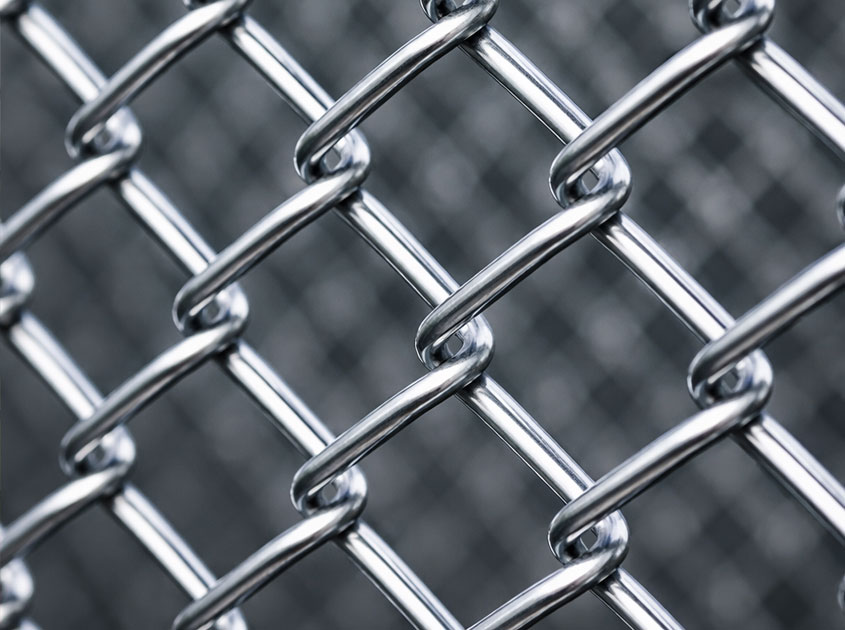
In this guide, we explain how to select the right chain link fencing solution specifically designed for harsh Middle Eastern conditions.
Challenges of Middle East Climate for Fencing
Before selecting a fence, it is important to understand the environmental challenges:
1. High Temperature
Temperatures in many Middle Eastern regions often exceed 45°C (113°F), which can weaken low-quality coatings and materials.
2. Strong UV Radiation
Continuous sunlight exposure can cause:
Fading of coatings
Material degradation
Reduced lifespan
3. Sandstorms and Abrasion
Frequent sandstorms can:
Damage surface coatings
Cause mechanical wear
Reduce structural integrity over time
4. Coastal Corrosion
In coastal areas (such as UAE, Saudi Arabia, Oman):
High humidity and salt accelerate corrosion
Standard galvanized coatings may not be sufficient
Why Chain Link Fence Is Suitable for Middle East Use
Despite harsh conditions, chain link fencing remains one of the most practical solutions due to:
Strong yet flexible structure
Excellent airflow (reduces wind resistance)
Cost-effective for large areas
Easy repair and maintenance
However, choosing the right material and coating is critical.
Best Types of Chain Link Fence for Middle East Climate
1. Hot-Dip Galvanized Chain Link Fence
Features:
Thick zinc coating (usually 40–100 g/m² or higher)
Strong corrosion resistance
Long service life
Recommended for inland and dry desert areas.
2. Heavy Zinc Coating (High Galvanization)
For more demanding environments:
Zinc coating ≥ 200 g/m²
Enhanced protection against corrosion
Longer lifespan in harsh conditions
Ideal for long-term industrial projects.
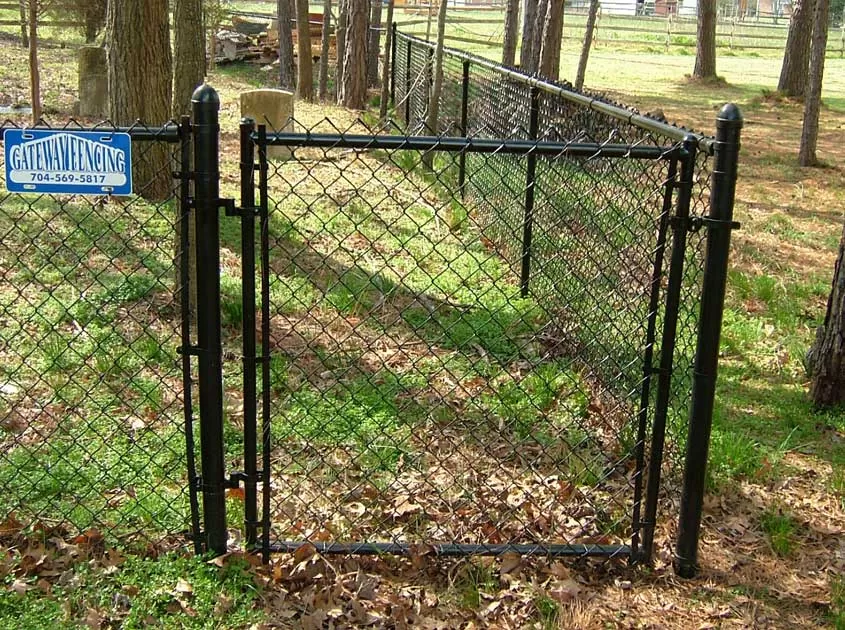
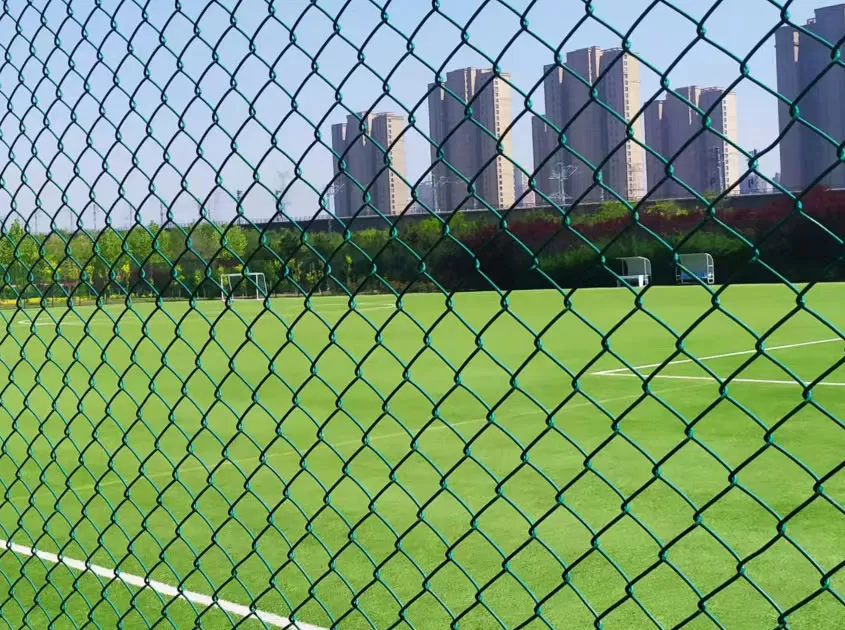
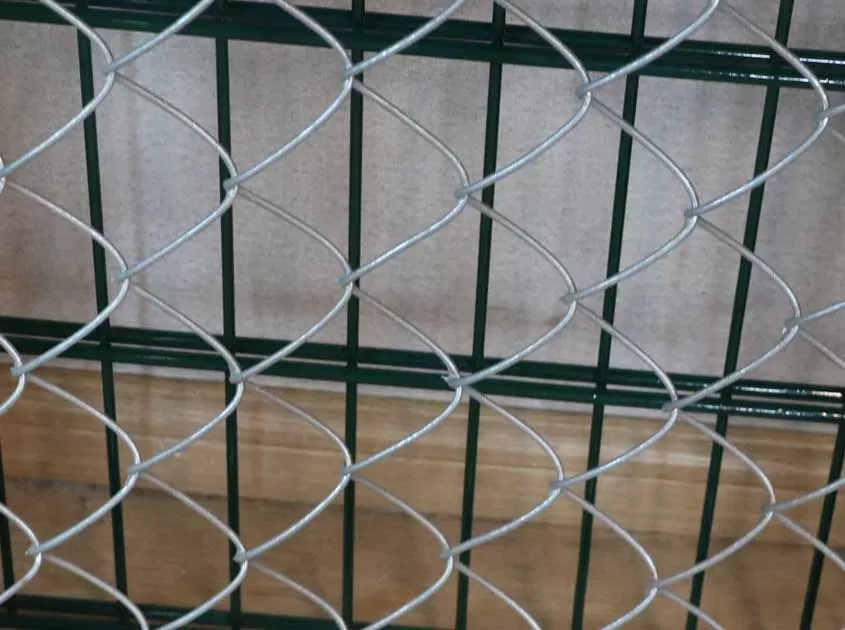
3. PVC-Coated Chain Link Fence
Features:
Dual protection (galvanized + PVC coating)
UV-resistant outer layer
Available in green, black, or custom colors
Best for areas with strong sunlight and sand exposure.
4. Stainless Steel Chain Link Fence
Features:
Exceptional corrosion resistance
Resistant to salt and humidity
Premium durability
Recommended for coastal or marine environments (high-end projects).
Key Specifications to Consider
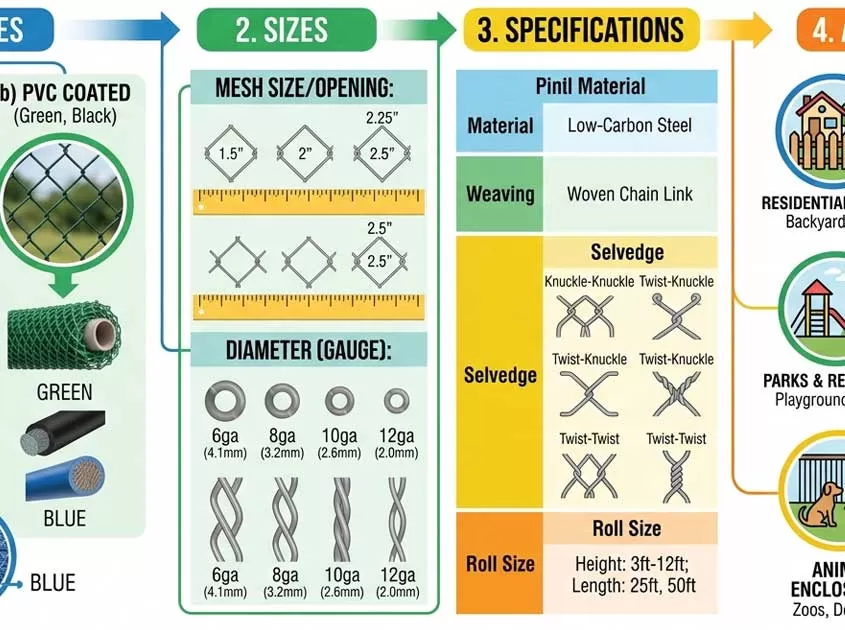
1. Wire Diameter
2.5–3.0 mm → standard use
3.0–4.0 mm → heavy-duty industrial use
Thicker wire provides better strength and durability.
2. Mesh Size
Common options:
50 × 50 mm
60 × 60 mm
Smaller mesh improves security and reduces deformation.
3. Coating Thickness
Standard galvanized → basic protection
Heavy galvanized → long-term durability
PVC-coated → additional UV and abrasion resistance
4. Fence Height
1.8–2.4 m → general industrial use
2.4–3.6 m → high-security areas
5. Posts and Accessories
Use high-quality:
Galvanized steel posts
Powder-coated frames
Strong tension wires
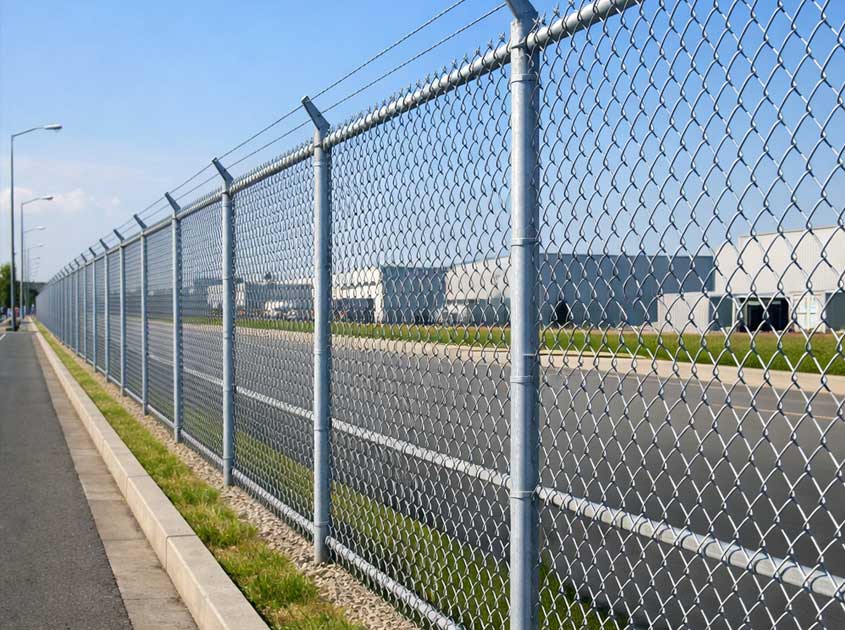
A weak support system can reduce the lifespan of the entire fence.
Additional Protection for Extreme Environments
To further enhance performance in the Middle East:
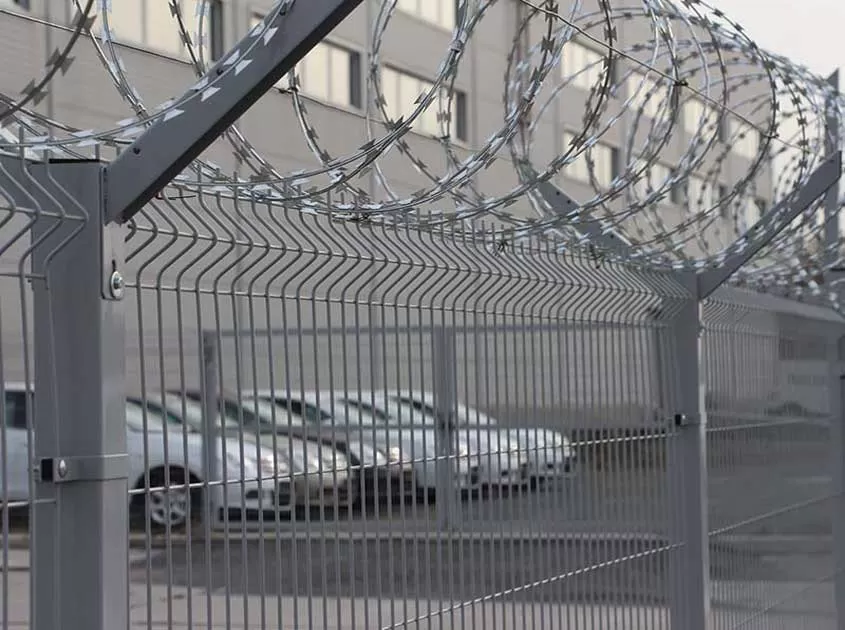
Add barbed wire or razor wire for security
Use UV-resistant PVC coatings
Apply anti-rust treatments on joints and fittings
Install wind-resistant structures in open desert areas
Installation Tips for Middle East Conditions
Proper installation is essential:
Ensure deep post foundations (sand soil requires extra stability)
Maintain proper tension to prevent sagging
Use corrosion-resistant fasteners
Consider wind load during design
Common Mistakes to Avoid
Using low zinc coating in coastal areas
Ignoring UV resistance
Choosing thin wire to reduce cost
Poor installation in sandy soil
Not planning for long-term maintenance
How to Choose a Reliable Supplier
When sourcing chain link fences for Middle East projects, look for:
Experience in exporting to Middle East markets
Custom coating options (high zinc, PVC, stainless steel)
Quality certifications
Stable production capacity
Technical support and after-sales service
Why Choose Us as Your Supplier
As a professional wire mesh manufacturer in China, we provide high-quality chain link fencing solutions tailored for Middle East climates.
Our Advantages:
High zinc coating options for extreme durability
UV-resistant PVC coating technology
Custom sizes and specifications
Extensive export experience to Middle East countries
Competitive factory pricing
Fast delivery and professional support
We help clients select the most suitable fencing solutions for desert, coastal, and industrial environments.
Conclusion
Choosing the best chain link fence for Middle East climate requires careful consideration of:
Temperature resistance
UV protection
Corrosion resistance
Sand and wind conditions
The most recommended options include:
Hot-dip galvanized fencing
Heavy zinc-coated fencing
PVC-coated fencing
Stainless steel fencing (for coastal areas)
With the right materials and professional installation, chain link fencing can provide long-lasting, reliable security even in the harshest environments.
-
 What Is Galvanized Wire Mesh and Why Is It Popular? Aug 26, 2026
 Galvanized Welded Wire Mesh Roll Manufacturer China Jul 21, 2026



- Tel.: +86 311 83077076
- E-mail: sales@qunkunmetal.com
- Skype: qunkunsales01
- WhatsApp: 8618032412189
- Add.: No.69 The Filter Industrial Part of Anping, Hebei, China


