


How to Check the Quality of Welded Wire Mesh
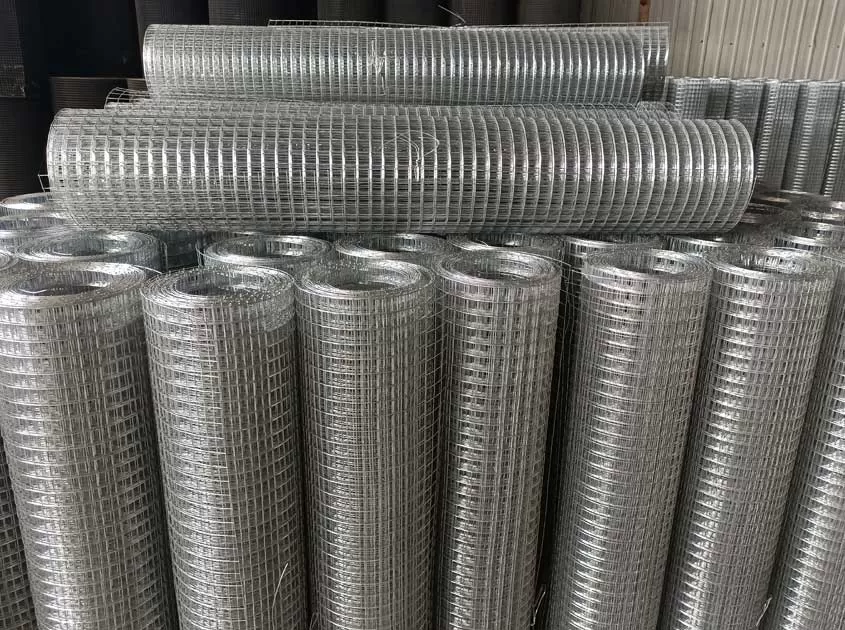
Welded wire mesh is widely used in construction, fencing, agriculture, and industrial applications. However, not all welded wire mesh products offer the same quality. Poor welding strength, incorrect wire diameter, or inadequate surface treatment can lead to structural failure, corrosion, and costly replacements.
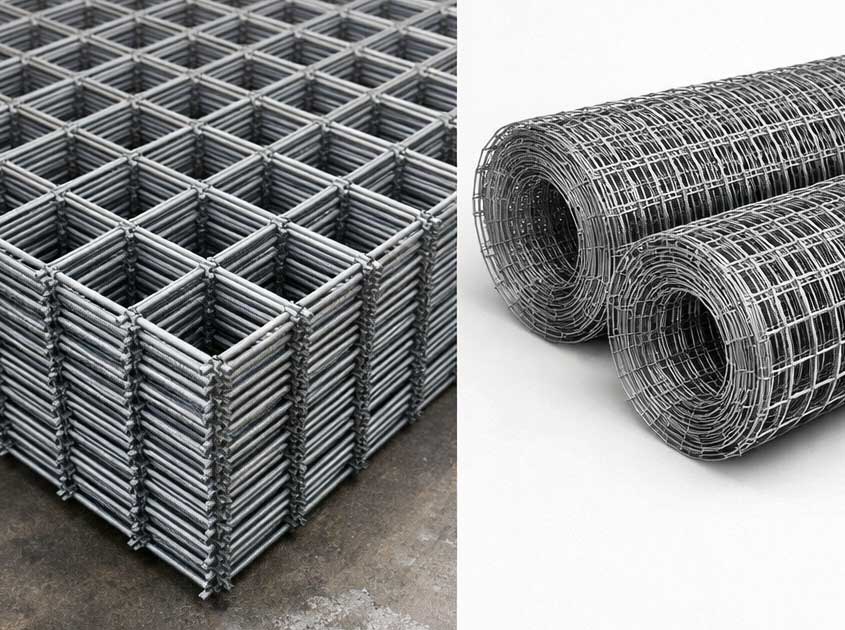
This guide explains how to check the quality of welded wire mesh step by step, helping buyers make informed decisions before purchase or shipment.
1. Check the Raw Material Quality
The quality of welded wire mesh starts with the wire itself.
Key points to inspect:
Steel grade consistency
Wire surface smoothness
No cracks, flakes, or contamination
High-quality low-carbon steel or stainless steel ensures better welding performance and durability.
2. Measure Wire Diameter Accuracy
Wire diameter directly affects strength and load capacity.
How to check:
Use a micrometer or caliper
Measure multiple points on the mesh
Compare results with the specification
Even small deviations can reduce strength and violate contract requirements.
3. Inspect Weld Strength at Intersections
Weld quality is the most critical factor.
Methods:
Manual bend test
Light hammer impact
Pull test on intersecting wires
Good welded mesh will:
Not break at the weld
Deform before separation
Show uniform weld marks
Weak welds indicate poor welding current control or inferior materials.
4. Check Mesh Opening Uniformity
Consistent mesh opening ensures easy installation and predictable performance.
Inspection tips:
Measure random openings across the roll or panel
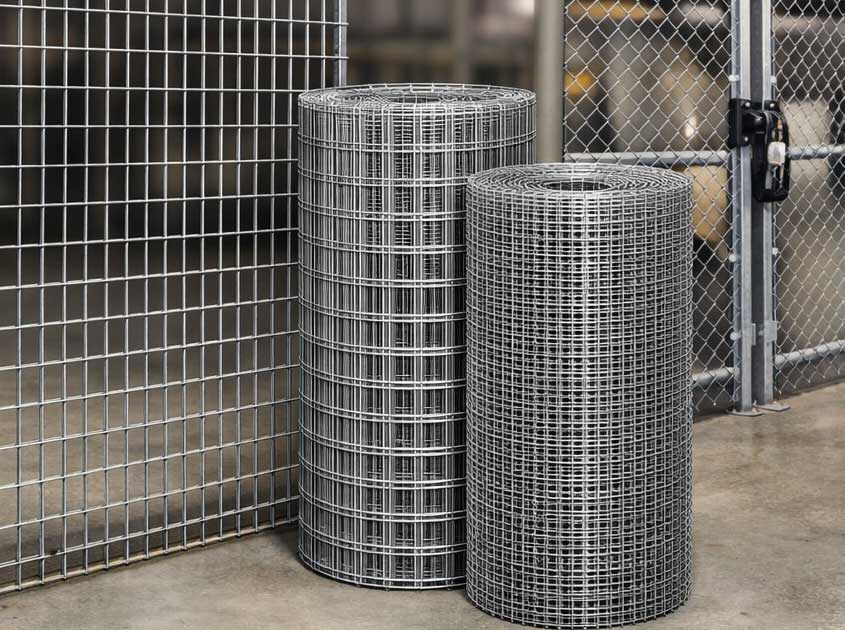
Look for deformation or irregular spacing
Uneven openings suggest poor production control.
5. Examine Surface Treatment Quality
Surface coating determines corrosion resistance.
Galvanized Welded Wire Mesh
Zinc layer should be uniform
No bare spots or peeling
Smooth or slightly spangled finish
PVC Coated Welded Wire Mesh
Strong adhesion between PVC and wire
No cracks or bubbles
Even color distribution
6. Check Zinc Coating Thickness
For galvanized mesh, zinc coating weight is crucial.
Common requirements:
Electro-galvanized: 10–40 g/m²
Hot-dip galvanized: 60–300 g/m²
Thicker zinc coating means longer service life, especially outdoors.
7. Inspect Flatness and Rigidity
High-quality welded wire mesh should:
Lie flat
Maintain shape after handling
Show minimal warping
Poor flatness affects installation and appearance.
8. Review Manufacturing Standards and Certification
Reliable manufacturers comply with:
ISO quality management systems
International or regional standards
Internal quality inspection procedures
Ask for:
Mill test reports
Quality inspection records
Production photos or videos
9. Packaging and Shipping Inspection
Quality inspection does not end with production.
Check:
Protective packaging
Secure bundling
Clear labeling
Proper packaging prevents deformation and coating damage during shipping.
10. Why Choose an Experienced Manufacturer
Professional welded wire mesh manufacturers offer:
Stable raw material sourcing
Automated welding lines
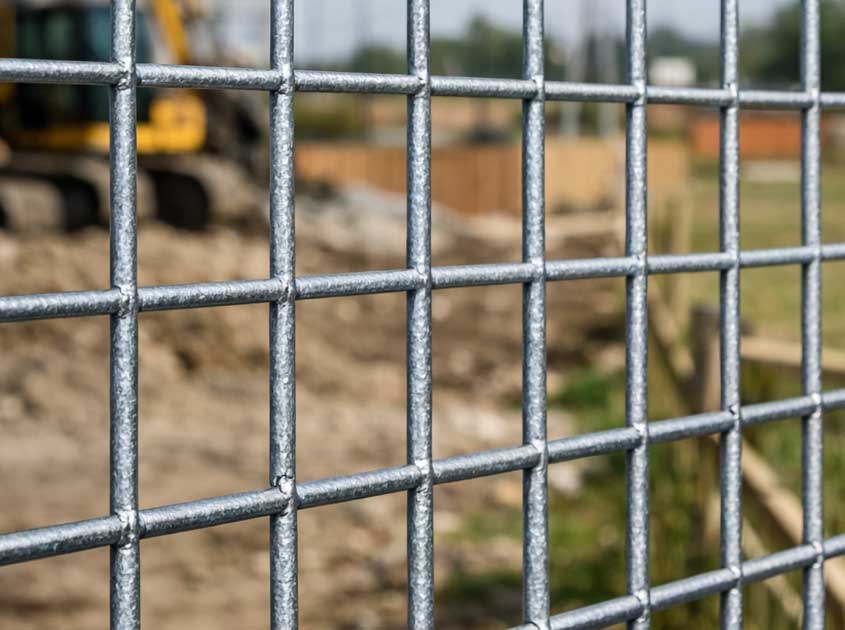
Strict quality control
Export experience
This ensures consistent quality for large or repeat orders.
Conclusion
Checking the quality of welded wire mesh involves:
Raw material inspection
Wire diameter verification
Weld strength testing
Surface treatment evaluation
Packaging assessment
By following these steps, buyers can avoid quality risks and ensure reliable performance in real-world applications. Partnering with a trusted manufacturer further guarantees long-term stability and cost efficiency.
-
 What Is Galvanized Wire Mesh and Why Is It Popular? Aug 26, 2026
 -
 Galvanized Welded Wire Mesh Roll Manufacturer China Jul 21, 2026




- Tel.: +86 311 83077076
- E-mail: sales@qunkunmetal.com
- Skype: qunkunsales01
- WhatsApp: 8618032412189
- Add.: No.69 The Filter Industrial Part of Anping, Hebei, China


