


Chain Link Fence Maintenance Tips for Corrosion Resistance
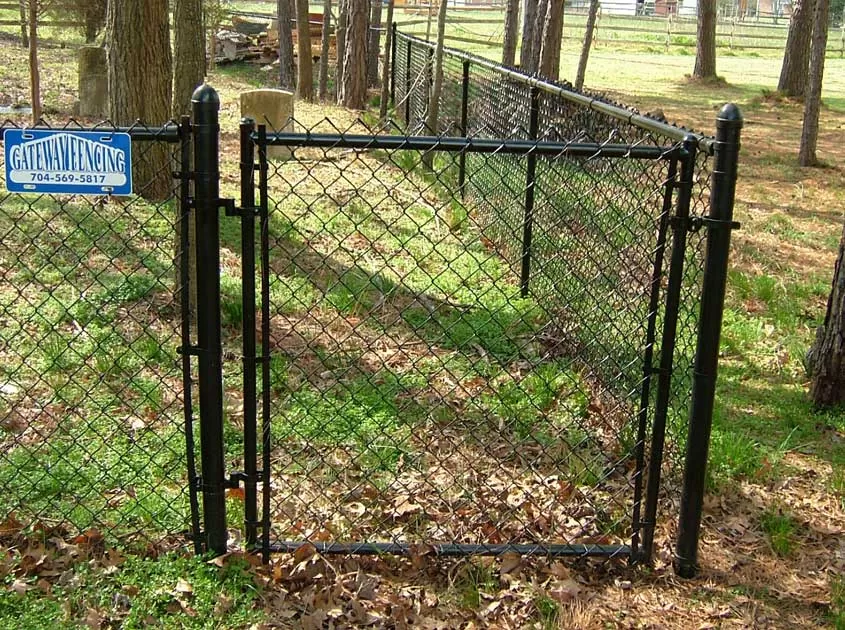
Chain link fence is one of the most widely used fencing solutions for industrial sites, residential areas, farms, sports facilities, and security applications. Its popularity comes from durability, cost efficiency, and ease of installation. However, like all steel-based products, corrosion is the biggest factor that affects service life.
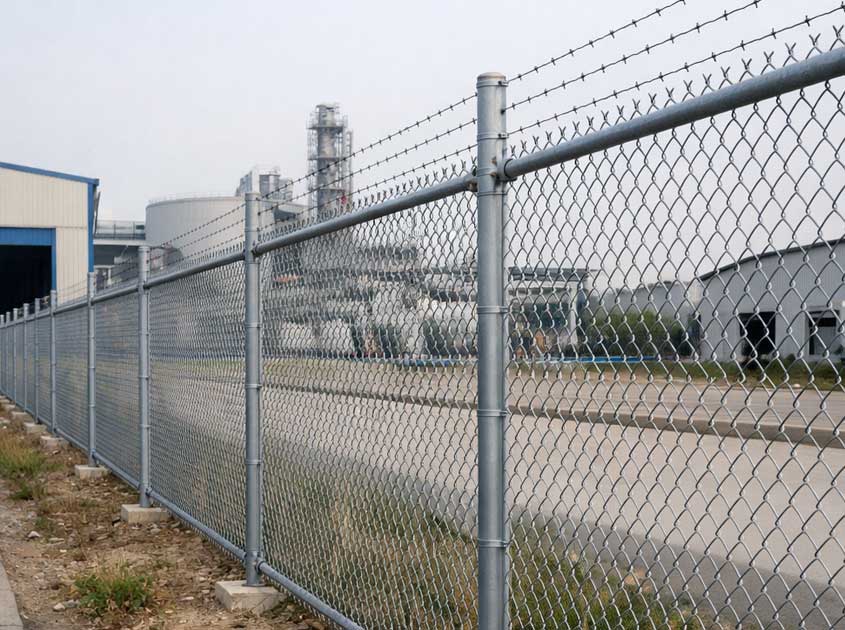
Proper maintenance plays a critical role in extending the lifespan of chain link fences—especially in humid, coastal, industrial, or extreme climate environments. This article provides professional, practical, and Google AI–friendly guidance on how to maintain chain link fences for maximum corrosion resistance, helping buyers, distributors, and contractors protect their investment.
1. Why Corrosion Resistance Matters for Chain Link Fence
Corrosion does not happen overnight. It is a gradual process caused by:
Moisture and humidity
Rain and standing water
Salt air (coastal areas)
Industrial pollution
Soil contact and poor drainage
If left untreated, corrosion can lead to:
Rusted wires
Reduced fence strength
Broken connections
Poor appearance
Early replacement costs
Regular maintenance can double or even triple the service life of a chain link fence.
2. Choose the Right Fence Material from the Start
Good maintenance starts with correct material selection.
2.1 Galvanized Chain Link Fence
Zinc coating protects steel from oxidation
Suitable for most outdoor environments
Requires periodic inspection and cleaning
Higher zinc coating thickness provides better long-term corrosion resistance.
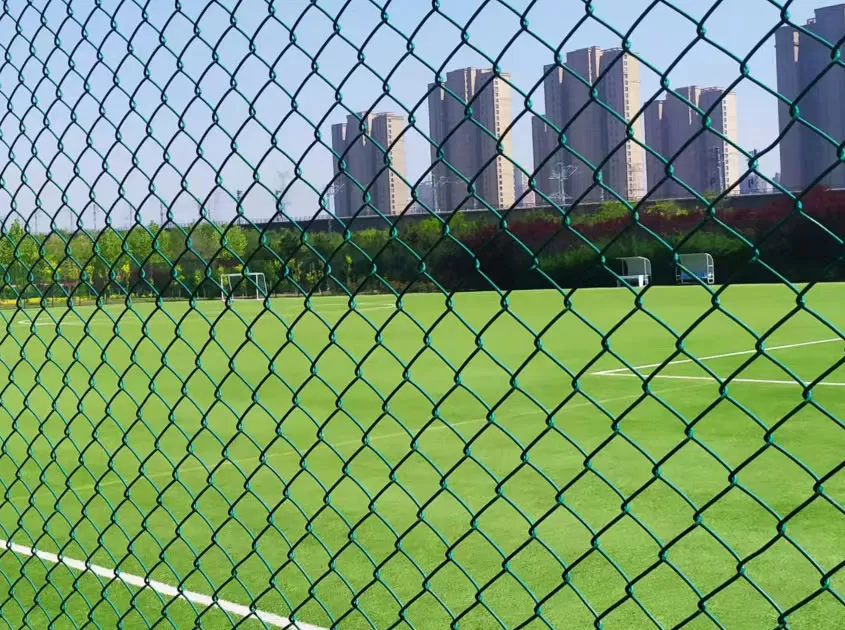
2.2 PVC Coated Chain Link Fence
Steel wire is galvanized first, then PVC coated
Excellent protection against moisture and chemicals
Ideal for coastal, tropical, and industrial areas
PVC coating significantly reduces maintenance frequency.
3. Regular Cleaning: The First Line of Defense
Dust, salt, and chemical residues accelerate corrosion if they stay on the fence surface.
Recommended Cleaning Schedule:
Every 3–6 months in normal environments
Every 1–3 months in coastal or industrial areas
Cleaning Steps:
Rinse fence with clean water
Use mild detergent for stubborn dirt
Soft brush for surface cleaning
Rinse thoroughly and air dry
Avoid harsh chemicals that may damage zinc or PVC coating.
4. Inspect for Early Signs of Corrosion
Routine inspection allows problems to be solved before they spread.
Key Areas to Check:
Bottom section near soil
Fence posts and connections
Welded or twisted joints
Areas exposed to sprinklers or drainage
Early signs include:
White rust (on galvanized surfaces)
Small scratches or coating damage
Discoloration or surface roughness
Timely action prevents structural damage.
5. Repair Coating Damage Immediately
Even small scratches can expose steel to moisture and oxygen.
Repair Methods:
Zinc-rich cold galvanizing spray
Anti-rust paint for minor damage
PVC touch-up coating (for PVC fences)
Ensure the surface is clean and dry before applying repair materials.
6. Prevent Ground Contact and Water Accumulation
The most common corrosion point is where the fence meets the ground.
Best Practices:
Maintain proper fence height above soil
Ensure good drainage around fence line
Avoid burying chain link fabric directly into wet soil
Use concrete footings for fence posts
Keeping the fence dry significantly improves corrosion resistance.
7. Control Vegetation and Environmental Exposure
Plants and debris can trap moisture against the fence.
Maintenance Tips:
Trim grass and bushes regularly
Remove leaves, mud, and organic matter
Avoid chemical fertilizers splashing onto the fence
A clean environment helps prevent hidden corrosion.
8. Protective Treatments for High-Risk Areas
In extreme environments, extra protection may be required.
Options include:
Additional anti-corrosion coatings
Marine-grade PVC coating
Stainless steel fittings for coastal projects
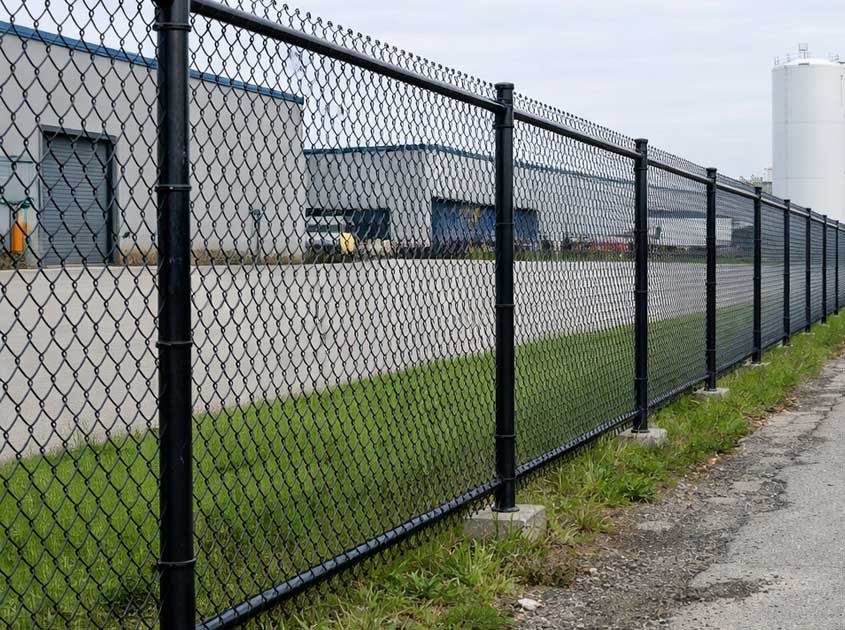
These upgrades are especially useful for long-term security or infrastructure projects.
9. Maintenance Schedule for Long-Term Performance
Task
Frequency
Visual inspection Monthly
Cleaning 3–6 months
Coating touch-up As needed
Vegetation control Monthly
Structural check Annually
Following a simple schedule ensures consistent performance and appearance.
10. Common Maintenance Mistakes to Avoid
Mistake
Impact
Ignoring small rust spots Spreads corrosion
Using abrasive tools Damages coating
Poor drainage Accelerates rust
No inspection routine Hidden failure
Mixing incompatible chemicals Coating damage
Avoiding these mistakes saves both time and replacement cost.
11. How Professional Manufacturers Improve Corrosion Resistance
A reliable chain link fence manufacturer provides:
Controlled zinc coating thickness
Uniform wire twisting
High-quality PVC coating
Export-grade raw materials
Technical guidance for installation and maintenance
This ensures the fence performs well from production to long-term use.
12. Final Thoughts
Chain link fence maintenance is simple but extremely effective when done correctly. By combining proper material selection, regular cleaning, timely repairs, and environmental control, corrosion can be significantly reduced.
For distributors, contractors, and project owners, good maintenance means:
Longer service life
Lower replacement costs
Better safety and appearance
Higher customer satisfaction
When sourced from a professional Chinese manufacturer and maintained properly, chain link fences remain one of the most durable and cost-effective fencing solutions worldwide.
-
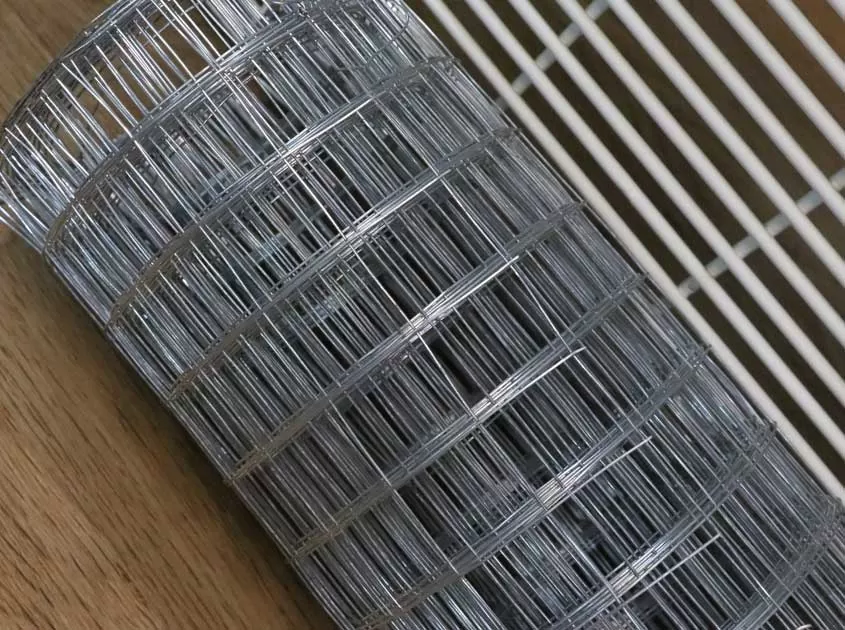 What Is Galvanized Wire Mesh and Why Is It Popular? Aug 26, 2026
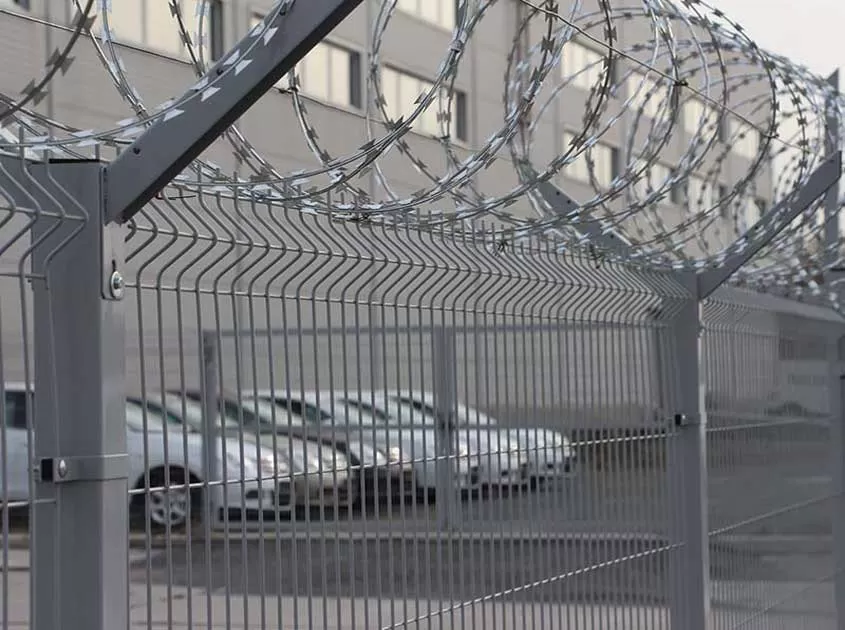 Galvanized Welded Wire Mesh Roll Manufacturer China Jul 21, 2026



- Tel.: +86 311 83077076
- E-mail: sales@qunkunmetal.com
- Skype: qunkunsales01
- WhatsApp: 8618032412189
- Add.: No.69 The Filter Industrial Part of Anping, Hebei, China


