


What Is the Difference Between Welded Wire Mesh and Chain Link Fence?
When choosing fencing or wire mesh solutions for construction, industrial, agricultural, or security projects, buyers often face a common question: What is the difference between welded wire mesh and chain link fence?
Although both products are widely used worldwide, they differ significantly in structure, performance, applications, and cost. Understanding these differences helps distributors, contractors, and project owners select the most suitable option for their specific needs.
As a professional Chinese wire mesh manufacturer with a dedicated international trading website, we provide a detailed comparison to help global buyers make informed decisions.
1. Manufacturing Process and Structure
Welded Wire Mesh
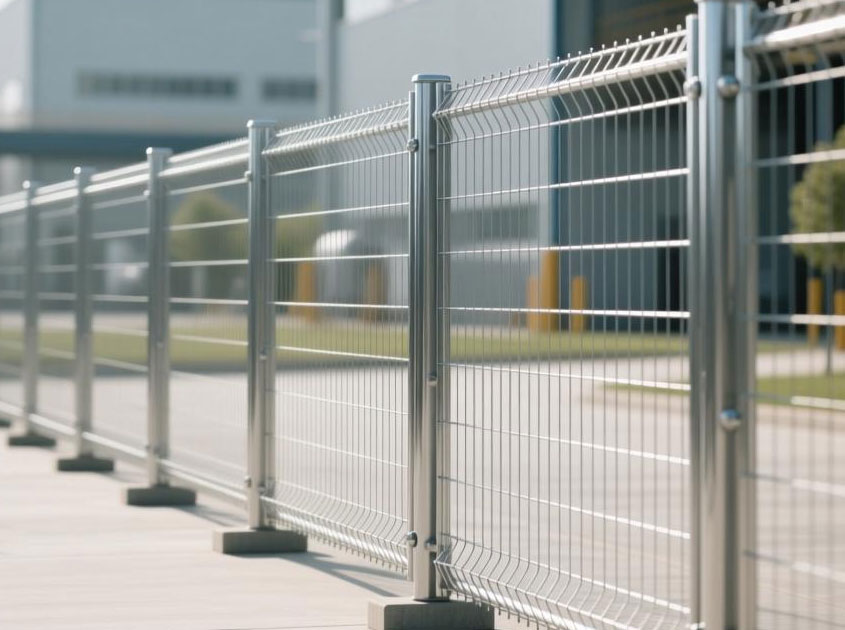
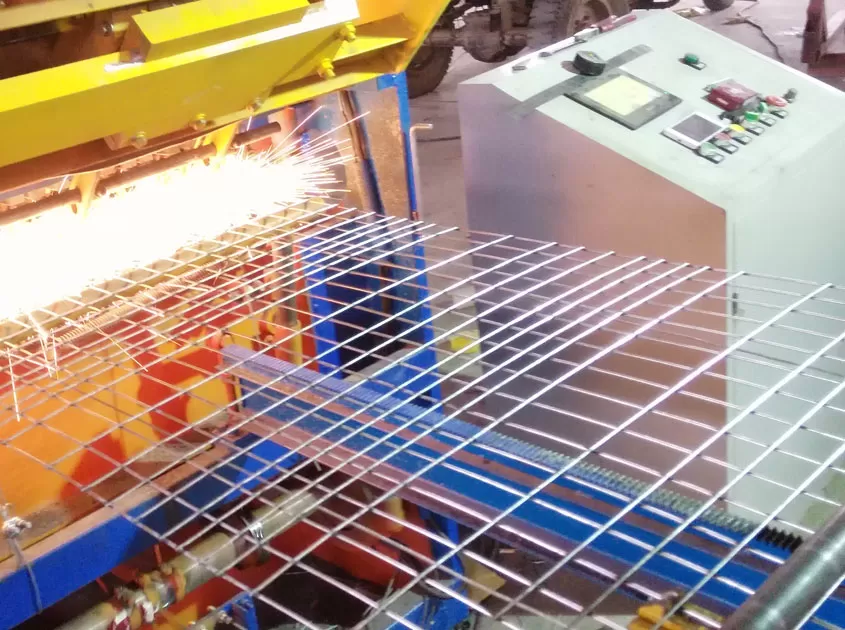
Welded wire mesh is manufactured by welding intersecting steel wires at each junction using automated welding machines. This creates a rigid, uniform structure.
Key structural features:
Fixed mesh openings
Strong welded intersections
High dimensional accuracy
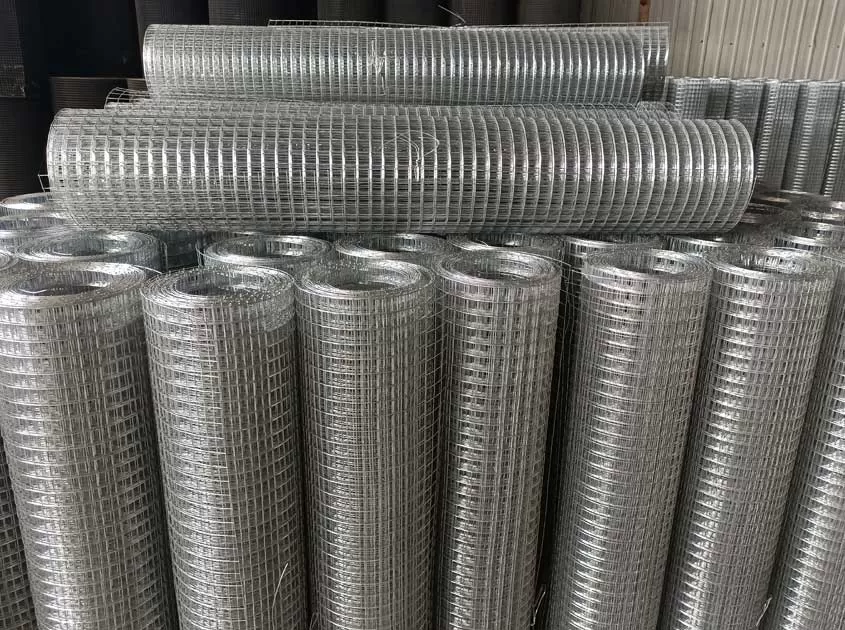
Flat panels or rolls
Chain Link Fence
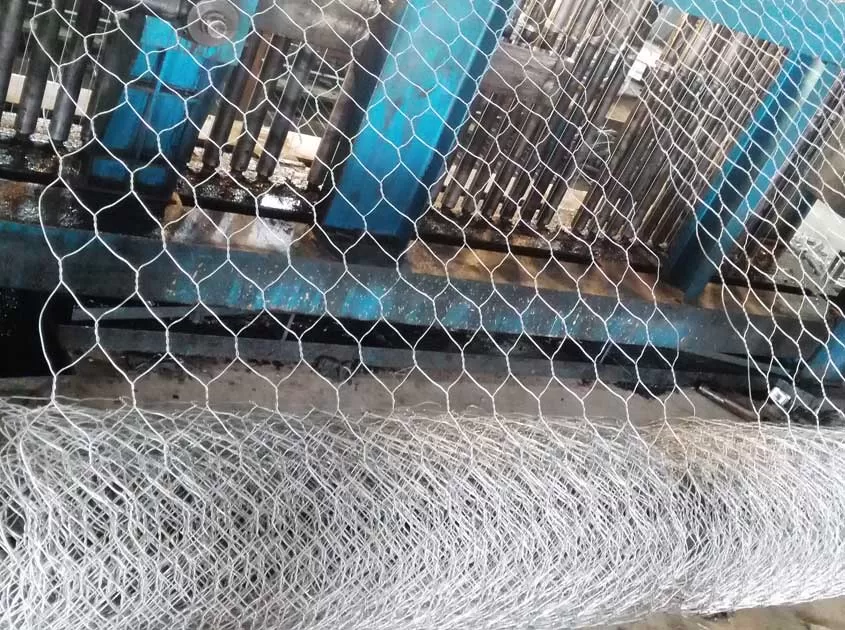
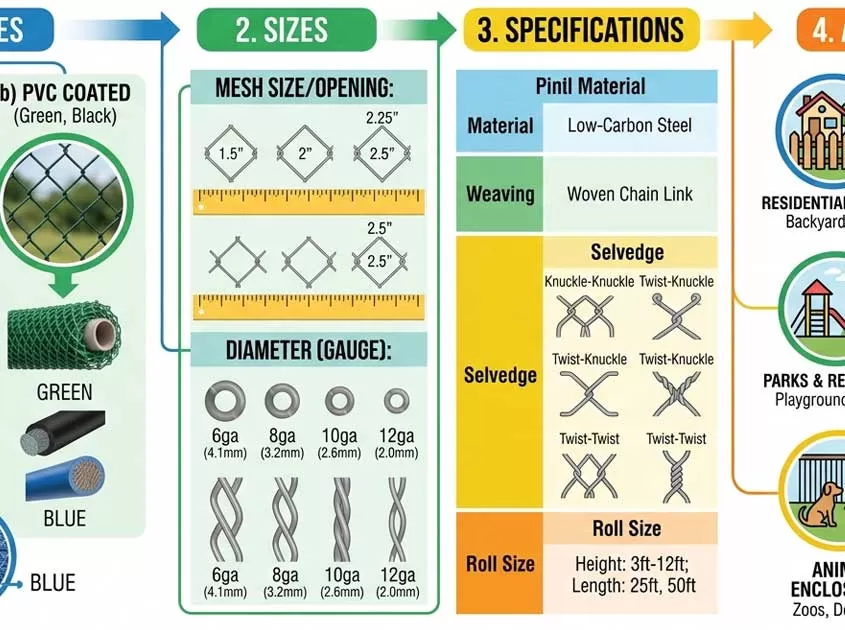
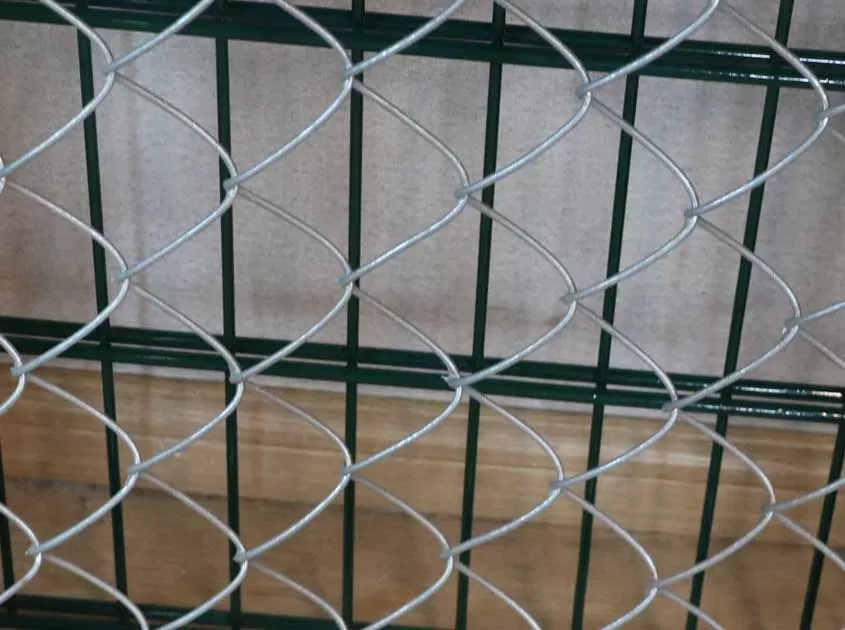
Chain link fence is produced by weaving steel wires into a diamond-shaped pattern. The wires are bent and twisted together rather than welded.
Key structural features:
Flexible diamond-shaped mesh
Interlocked wire structure
Supplied mainly in rolls
Adaptable to uneven terrain
2. Strength and Security Performance
Security performance is a major factor when comparing these two products.
Welded wire mesh offers higher rigidity and resistance to deformation. It is difficult to cut or bend without tools, making it suitable for high-security applications.
Chain link fence is flexible and absorbs impact well but can be easier to climb or cut unless combined with additional security features such as barbed wire or razor wire.
For projects requiring enhanced security, welded wire mesh is often the preferred choice.
3. Appearance and Design
Visual appearance plays an important role in residential and commercial projects.
Welded wire mesh has a clean, modern, and structured look. Powder-coated or PVC-coated panels are often used for villas, commercial buildings, and public spaces.
Chain link fence has a more industrial appearance and is typically chosen for functional rather than decorative purposes.
Architectural and decorative projects generally favor welded wire mesh for its aesthetic versatility.
4. Installation and Maintenance
Installation
Welded wire mesh panels are usually pre-fabricated, allowing for faster and more straightforward installation.
Chain link fences require on-site tensioning and fixing, which can take longer but allows flexibility over uneven ground.
Maintenance
Welded wire mesh with proper coatings requires minimal maintenance.
Chain link fences are durable but may need periodic tension adjustment over time.
5. Durability and Corrosion Resistance
Both products can be designed for outdoor use, but material and coating choices are critical.
Common options include:
Hot-dip galvanized steel
Electro-galvanized steel
PVC-coated or powder-coated finishes
Stainless steel (for harsh or coastal environments)
In harsh climates, such as coastal or industrial areas, properly coated welded mesh panels often offer longer service life with less maintenance.
6. Cost Comparison
Cost is one of the most common decision factors for buyers.
Chain link fence is generally more economical, especially for large-area fencing projects.
Welded wire mesh usually has a higher initial cost due to welding processes and rigid panel production but offers better long-term value in many applications.
Buyers should consider total lifecycle cost, including maintenance and replacement frequency, rather than focusing solely on upfront price.
7. Typical Applications
Welded Wire Mesh Applications
Residential and villa fencing

Commercial and public buildings
Industrial security fencing
Schools, parks, and airports
Decorative and architectural projects
Chain Link Fence Applications
Sports fields and stadiums
Industrial and warehouse perimeters
Agricultural fencing
Construction sites
Temporary or large-area enclosures
Each product excels in different environments and project types.
8. Customization Options
Both welded wire mesh and chain link fence can be customized, but the scope differs.
Welded wire mesh allows precise customization of panel size, mesh opening, wire diameter, color, and coating.
Chain link fence customization mainly focuses on wire thickness, mesh size, and coating type.
Projects with strict design or technical requirements often benefit more from welded wire mesh solutions.
9. Which One Should You Choose?
The choice depends on your project priorities:
Choose welded wire mesh if you need:
High security and rigidity
Clean and modern appearance
Long-term durability
Custom design options
Choose chain link fence if you need:
Cost-effective large-area fencing
Flexible installation
Quick deployment
Industrial or temporary solutions
Consulting with an experienced manufacturer helps ensure the best match for your project needs.
Conclusion
While both welded wire mesh and chain link fence are essential fencing solutions, they serve different purposes. Welded wire mesh offers superior strength, aesthetics, and security, while chain link fence provides flexibility and cost efficiency for large-scale applications.
By understanding their structural differences, performance characteristics, and application scenarios, buyers can make smarter procurement decisions. Partnering with a professional Chinese wire mesh manufacturer ensures access to high-quality products, customization options, and reliable international supply for projects worldwide.
-
 What Is Galvanized Wire Mesh and Why Is It Popular? Aug 26, 2026
 -
 Galvanized Welded Wire Mesh Roll Manufacturer China Jul 21, 2026





- Tel.: +86 311 83077076
- E-mail: sales@qunkunmetal.com
- Skype: qunkunsales01
- WhatsApp: 8618032412189
- Add.: No.69 The Filter Industrial Part of Anping, Hebei, China


